â
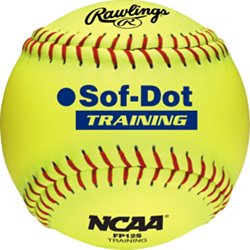
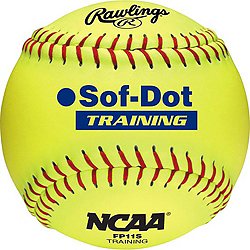
Our 47 COR Softballs sold out quickly! Explore similar styles now!
.47 cor softballs are designed with a specific coefficient of restitution, which affects their performance and bounce. This type of softball is typically used in fastpitch leagues and is known for its durability and ability to withstand high-impact play. Understanding the differences in core composition can help players choose the right ball for their level of play.
.47 cor softballs are ideal for practice as they provide a realistic feel and performance similar to game balls. They are designed to be durable, allowing players to practice effectively without worrying about wear and tear. Additionally, these softballs can help players develop their skills in hitting and fielding with consistent performance.
.47 cor softballs are primarily used in competitive fastpitch leagues, making them suitable for older youth and adult players. However, younger players or beginners may benefit from using softer or lighter balls to develop their skills. It's important to consider the player's age and skill level when selecting the appropriate softball.
.47 cor softballs are typically made with a synthetic leather cover that provides durability and a good grip. The core is often constructed from high-quality rubber or foam, which contributes to the ball's performance characteristics. The combination of these materials ensures that the ball can withstand rigorous play while maintaining its shape and integrity.
Weather conditions can significantly impact the performance of .47 cor softballs. For instance, colder temperatures may make the ball feel harder and less forgiving, while warmer weather can enhance its bounce and responsiveness. Players should consider the weather when planning practices or games, as it can influence how the ball behaves during play.
Continue browsing