â
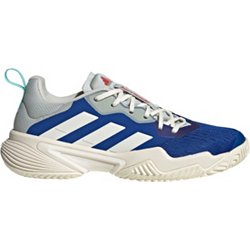
Experience unmatched performance on the court with our collection of advanced tennis shoes designed for agility and support. Featuring responsive cushioning and a durable outsole, these shoes provide excellent traction and stability during intense matches. The lightweight construction ensures comfort without sacrificing durability, allowing you to move freely and confidently. With a sleek design and innovative technology, these tennis shoes are perfect for players of all levels looking to elevate their game. Step up your performance and enjoy every match with footwear that keeps you at the top of your game.
When selecting tennis shoes, consider features such as cushioning, stability, and traction. Good cushioning helps absorb impact during play, while stability ensures your foot remains secure during quick lateral movements. Traction is essential for maintaining grip on the court surface, preventing slips and falls.
Tennis shoes are typically made from a combination of synthetic materials, mesh, and rubber. Synthetic materials provide durability and support, while mesh allows for breathability to keep your feet cool during intense matches. Rubber outsoles offer excellent traction and grip on various court surfaces.
Choosing the right size for tennis shoes involves measuring your foot length and width, and considering the fit you prefer. It's important to try on shoes with the type of socks you plan to wear during play. Additionally, ensure there is enough space in the toe box for comfort during movement.
Clay court tennis shoes typically feature a herringbone tread pattern for better grip on softer surfaces, while hard court shoes have a more durable outsole designed to withstand the abrasive nature of hard courts. The upper construction may also vary, with clay shoes often being lighter for improved agility.
Yes, different tennis shoes are designed to accommodate various playing styles, such as baseline players, serve-and-volley players, and all-court players. Shoes for baseline players often prioritize cushioning and stability, while serve-and-volley shoes may focus on lightweight construction and quick responsiveness.
It's generally recommended to replace tennis shoes every 6 to 12 months, depending on how frequently you play and the wear on the shoes. Signs that it's time for a replacement include noticeable wear on the outsole, decreased cushioning, and lack of support. Regularly checking your shoes can help maintain optimal performance on the court.
Continue browsing