â
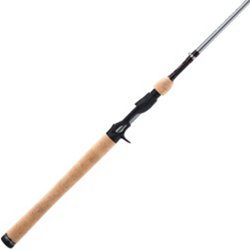
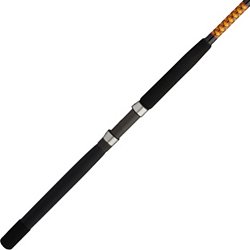
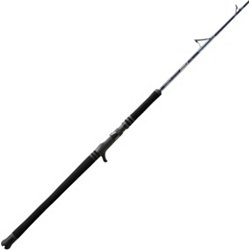
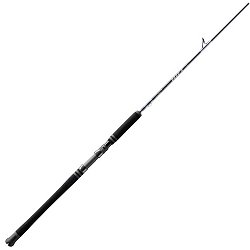
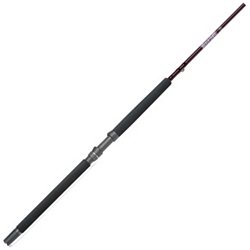
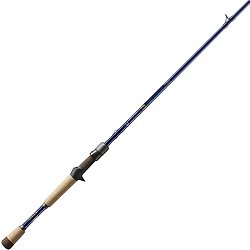
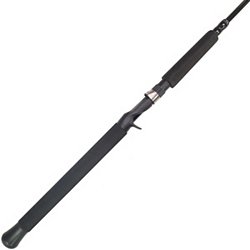
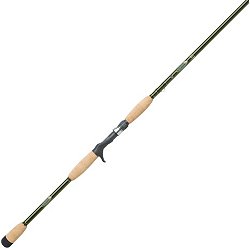
Explore our extensive collection of conventional boat rods, designed for durability and performance on the water. These rods feature robust construction and sensitive tips, ensuring you can handle a variety of fishing conditions with ease. Ideal for both novice and experienced anglers, our selection offers options that provide excellent control and responsiveness. With features like roller guides and ergonomic grips, these rods enhance your fishing experience, making every catch more enjoyable. Equip yourself with the right conventional boat rod and elevate your fishing adventures today.
When choosing a conventional boat rod, consider the rod's length and power, as these factors influence casting distance and the ability to handle larger fish. The material of the rod affects its sensitivity and durability, with options ranging from fiberglass to graphite. Additionally, think about the action of the rod, which determines how it bends and responds during use, and ensure it matches your fishing style and target species. Lastly, check for features like guides and grips that enhance comfort and performance while fishing.
Conventional boat rods are designed for saltwater fishing and typically feature a sturdy construction to withstand the rigors of ocean conditions. They often have a medium to heavy power rating, allowing for the handling of larger fish. Many models include guides that accommodate thicker lines and are equipped with comfortable grips for extended use. Additionally, these rods may have a shorter length, making them easier to maneuver on a boat.
The length of a conventional boat rod can significantly influence its performance in various fishing scenarios. Longer rods typically provide greater casting distance and leverage, making them suitable for targeting fish at greater depths or distances. Conversely, shorter rods offer increased control and sensitivity, which can be beneficial for detecting bites and managing fish in tight spaces. Ultimately, the choice of rod length should align with the specific fishing conditions and techniques being employed.
Conventional boat rods are typically made from materials such as fiberglass and graphite, which provide a balance of strength and sensitivity. Fiberglass rods are known for their durability and flexibility, making them suitable for heavy-duty use in various marine environments. Graphite rods, on the other hand, are lighter and offer enhanced sensitivity, allowing anglers to feel subtle bites. Many rods may also feature composite materials to combine the benefits of both fiberglass and graphite.
Conventional boat rods are best suited for various types of saltwater fishing, including deep-sea fishing and bottom fishing. Their design allows for the handling of heavier lines and larger baits, making them ideal for targeting bigger species like tuna, marlin, and grouper. These rods typically offer the strength and durability needed to withstand the challenges of ocean conditions. Additionally, they can be used effectively for trolling and live bait fishing, providing versatility for anglers.
To determine the right action for a conventional boat rod, consider the type of fishing you plan to do and the species you are targeting. Rod action refers to how much the rod bends when pressure is applied; it can be categorized as slow, medium, or fast. A slower action rod bends more towards the tip, making it suitable for lighter tackle and species that require a more delicate approach, while a faster action rod provides more sensitivity and power, ideal for larger fish or heavier lures. Additionally, think about the fishing conditions and your personal preference for responsiveness and control.
Conventional boat rods are designed specifically for deep-sea fishing and are typically shorter and sturdier than other types of fishing rods. They feature a heavy-duty construction to handle larger fish and rougher conditions, making them ideal for use on boats. Unlike spinning rods, which are more versatile for various fishing styles, conventional rods often have a more straightforward design that allows for easier line management and control when reeling in big catches. Additionally, they usually come with guides that accommodate heavier line and tackle.
When using conventional boat rods, seasonal considerations can play a role in your fishing experience. In warmer months, fish may be more active and closer to the surface, making it a good time to use these rods for targeting species that thrive in warmer waters. Conversely, during colder months, fish may be deeper and less active, which may require adjustments in technique and bait selection. Additionally, weather conditions such as wind and current can impact the effectiveness of your fishing strategy throughout the seasons.
The durability of a conventional boat rod is influenced by several key factors, including the materials used in its construction, such as high-quality graphite or fiberglass, which provide strength and flexibility. Additionally, the rod's design, including features like reinforced guides and sturdy reel seats, enhances its ability to withstand harsh marine environments. Regular maintenance and proper storage also play a crucial role in prolonging the lifespan of the rod, ensuring it remains reliable during fishing trips.
To determine if a conventional boat rod will be comfortable for extended use, consider the rod's weight, grip design, and material. A lightweight rod with an ergonomic handle can reduce fatigue during long fishing sessions. Additionally, look for features like cushioned grips and a balanced design, which can enhance comfort and control. Testing the rod in-store or reading user reviews can also provide insights into its comfort level during prolonged use.
Continue browsing