â
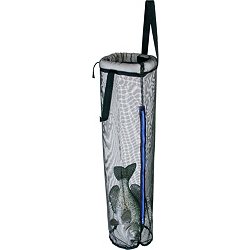
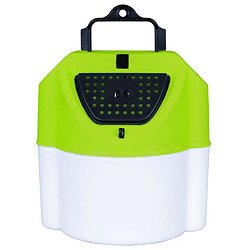
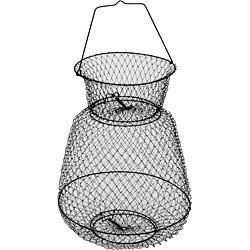
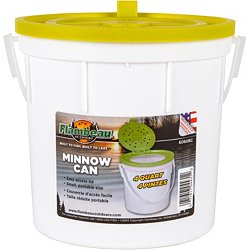
Explore our premium selection of fish transport containers designed for anglers and outdoor enthusiasts. These durable and versatile containers ensure safe and efficient transport of your catch, featuring lightweight materials and secure closures. With options for live bait and fish storage, our containers are perfect for both freshwater and saltwater adventures. Designed for easy handling and portability, they provide optimal ventilation and protection for your catch. Equip yourself with the right fish transport container to enhance your fishing experience and keep your catch fresh.
When selecting a fish transport container, consider features such as size and capacity to accommodate your catch, as well as insulation to maintain water temperature. Look for containers with secure lids or closures to prevent spills and ensure the safety of the fish during transport. Additionally, materials that resist corrosion and are easy to clean can enhance durability and convenience. Finally, portability features like handles or straps can make it easier to carry your container to and from your fishing location.
To determine the right size of a fish transport container, consider the type and quantity of fish you plan to transport. Assess the dimensions of the container to ensure it can accommodate the fish comfortably without overcrowding. Additionally, think about the duration of transport and the water capacity needed to keep the fish alive and healthy. It's also helpful to factor in any specific regulations or guidelines related to fish transport in your area.
Fish transport containers are typically made from durable plastics, metal, or insulated materials. Plastic containers are lightweight and resistant to corrosion, making them easy to handle and clean. Metal options often provide added strength and durability, while insulated materials help maintain water temperature, which can be important for keeping fish alive during transport. The choice of material can influence the container's weight, ease of use, and overall effectiveness in preserving the condition of the fish.
When transporting live fish, certain designs are more effective in maintaining their health and well-being. Containers that provide adequate ventilation and water circulation are essential, as they help to keep the fish oxygenated. Additionally, features like insulation can help regulate temperature, while secure closures prevent spills during transport. It's also beneficial to choose containers that are easy to clean and durable for repeated use.
To ensure fish safety during transport, it is important to maintain a stable and appropriate water temperature within the container. Use aeration systems or ensure the container is well-ventilated to provide sufficient oxygen. Additionally, avoid overcrowding the container, as this can lead to stress and harm to the fish. Regularly check the water quality and make adjustments as needed to keep the fish healthy during transport.
Different types of fish transport containers vary in durability based on their materials and construction. Some containers are made from heavy-duty plastics that can withstand rough handling and harsh weather conditions, while others may feature reinforced designs for added strength. Additionally, certain models are designed for specific environments, such as ice fishing or boating, which can influence their overall durability. When selecting a container, consider the intended use and the conditions it will face to ensure it meets your needs.
Yes, fish transport containers can be used for both freshwater and saltwater species. These containers are designed to maintain a suitable environment for fish during transport, regardless of the water type. It is important to ensure that the container is properly cleaned and free of contaminants before use to avoid any adverse effects on the fish. Additionally, consider the specific needs of the species being transported to ensure their well-being.
Using a floating fish transport container offers several advantages for anglers. These containers are designed to keep fish alive and healthy during transport, providing a stable environment with adequate water circulation. Their buoyant nature allows for easy handling on the water, reducing the risk of spills or damage. Additionally, many floating containers are equipped with features that help maintain optimal conditions for the fish, ensuring they remain in good condition until they reach their destination.
When choosing a fish transport container, consider the type of fishing you engage in, as different methods may require specific features. For instance, if you are ice fishing, look for insulated containers that can keep your catch fresh in cold conditions. For boat fishing, a floating live well or a durable bucket may be ideal to maintain the health of your fish while on the water. Additionally, consider the size and capacity of the container to ensure it meets your needs based on the expected catch.
When selecting a fish transport container, consider the seasonal temperatures and conditions that may affect the fish's well-being. In warmer months, look for containers that provide insulation or aeration to maintain a cooler environment and reduce stress on the fish. During colder seasons, ensure the container is designed to prevent freezing and can keep the fish at a stable temperature. Additionally, consider the size and capacity of the container based on the type of fishing you plan to do and the species you intend to transport.
Continue browsing