â
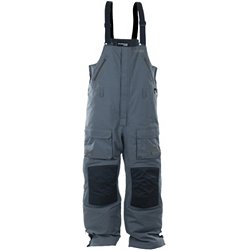
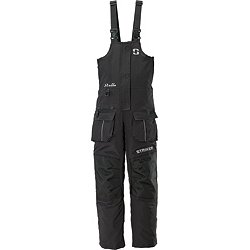
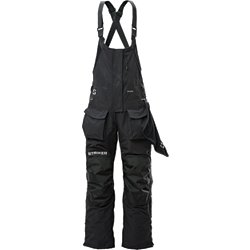
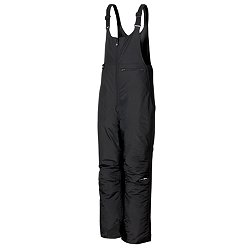
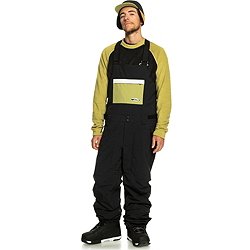
Stay safe and comfortable on the water with our selection of floatation bibs. Designed for durability and warmth, these bibs provide essential buoyancy while allowing for freedom of movement. Featuring waterproof materials and insulated linings, they are perfect for cold weather activities. With adjustable straps and a variety of fits, you can find the ideal bib to suit your needs. Explore our collection to ensure you stay protected and stylish during your outdoor adventures.
Floatation bibs are specialized garments designed for cold-weather activities, particularly in ice fishing and other outdoor sports. They are made with buoyant materials that provide additional flotation in water, helping to keep the wearer safe in case of accidental immersion. These bibs typically feature insulation for warmth, waterproofing to keep you dry, and adjustable components for a comfortable fit. The combination of these features allows for mobility and protection while engaging in outdoor activities in cold environments.
When selecting floatation bibs, consider features such as insulation for warmth, waterproof materials to keep you dry, and adjustable straps for a comfortable fit. Look for reinforced knees and seat areas for durability, especially if you plan to engage in activities like ice fishing. Additionally, pockets for storage and reflective elements for visibility can enhance functionality and safety.
Floatation bibs are designed primarily for cold weather and water activities, providing insulation and buoyancy. They are particularly popular for ice fishing and other winter sports where staying warm and safe in cold water is essential. While they offer some level of flotation, they may not be suitable for all water activities, especially those in warmer conditions or where mobility is a priority. It's important to consider the specific environment and activity when choosing floatation bibs.
To choose the right size for floatation bibs, start by measuring your waist and inseam to find your corresponding size on the manufacturer's sizing chart. Consider the type of layering you plan to wear underneath, as this may require selecting a larger size for comfort and mobility. Additionally, check for adjustable features like straps or cuffs that can help customize the fit. It's important to ensure that the bibs provide a snug yet comfortable fit to maximize their effectiveness while allowing for ease of movement.
Floatation bibs are typically made from durable, water-resistant materials that provide insulation and buoyancy. Common materials include nylon or polyester for the outer shell, which helps repel water and withstand wear and tear. Additionally, these bibs often feature foam or other buoyant materials integrated into the design to enhance flotation while maintaining comfort and mobility. Many also include thermal linings to help retain body heat in cold conditions.
Flotation bibs offer a different design and functionality compared to traditional life jackets. While life jackets are typically worn around the torso and provide buoyancy primarily for upper body support, flotation bibs combine the benefits of buoyancy with the coverage and warmth of insulated pants. This makes them suitable for activities in cold water or harsh weather conditions, allowing for greater mobility and comfort. Additionally, flotation bibs often feature pockets and other functional elements that enhance their usability for outdoor activities.
The typical weight capacity for floatation bibs varies by design and manufacturer, but many are engineered to support a range of body weights, often accommodating individuals from around 100 to 300 pounds. It is important to check the specifications provided by the manufacturer to ensure the bibs meet your specific needs. Additionally, factors such as buoyancy and material can influence the overall performance of the bibs in water. Always consider your own weight and any additional gear when selecting floatation bibs.
Yes, floatation bibs are designed to be used in cold weather conditions. They typically feature insulated materials that help retain body heat while providing buoyancy. Many styles also include waterproof or water-resistant fabrics to keep you dry in wet environments. This combination makes them suitable for activities like ice fishing or winter sports.
Wearing floatation bibs while fishing or boating offers several advantages. They provide buoyancy, which can enhance safety by helping to keep you afloat in case of an accidental fall into the water. Additionally, these bibs are often designed with insulation and waterproof materials, keeping you warm and dry in cold or wet conditions. Their functional design typically includes pockets and adjustable features, making them practical for storing gear and ensuring a comfortable fit during outdoor activities.
To ensure the durability of your floatation bibs, it is important to follow proper care and maintenance practices. Always clean them according to the manufacturer's instructions, using mild detergents and avoiding harsh chemicals that can degrade the materials. Store the bibs in a cool, dry place away from direct sunlight to prevent fading and material breakdown. Regularly inspect for any signs of wear or damage, and address any issues promptly to extend their lifespan.
Continue browsing