â
Enhance your fly tying projects with our premium fly tying lead wire selection. Designed for versatility and ease of use, this essential material adds weight and stability to your flies, ensuring they sink effectively in the water. Available in various gauges and colors, our lead wire allows for precise customization to match your fishing needs. Durable and flexible, it ensures a secure hold while maintaining the integrity of your creations. Elevate your fly tying experience and improve your catch rate with our high-quality lead wire options.
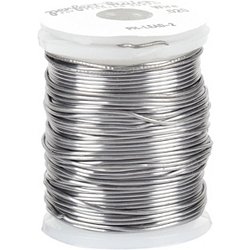
$4.99
sink your favorite pattern add extra weight use with nymphs and
Fly tying lead wire is primarily used to add weight to flies, helping them sink more quickly in the water. This is particularly useful for nymphs and streamers, where a faster sink rate can improve the chances of attracting fish. Additionally, it can be used to create bulk and shape in the body of the fly.
Fly tying lead wire is typically made from a combination of lead and other metals, which provide the necessary weight while maintaining flexibility. Some variations may include non-toxic alternatives that offer similar weight properties without the environmental concerns associated with lead. The choice of material can affect the wire's durability and ease of use.
The thickness of fly tying lead wire can significantly influence the weight and overall profile of the fly. Thicker wire adds more weight, which can help the fly sink faster, while thinner wire allows for more delicate patterns and less bulk. Choosing the right thickness depends on the specific type of fly being tied and the fishing conditions.
Yes, fly tying lead wire can be used for a variety of fly types, including nymphs, streamers, and even some dry flies. Its versatility allows anglers to customize the weight and shape of their flies to match specific fishing conditions or target species. Experimenting with different applications can lead to more effective fly designs.
When working with fly tying lead wire, it's important to use the right tools, such as fine scissors or wire cutters, to ensure clean cuts. Additionally, wrapping the wire tightly and evenly around the hook shank will help maintain the fly's shape and balance. Practice and patience are key, as mastering the technique can lead to better fly performance.
Continue browsing