â
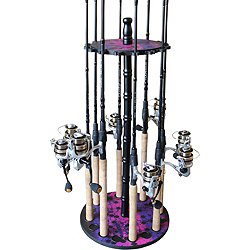
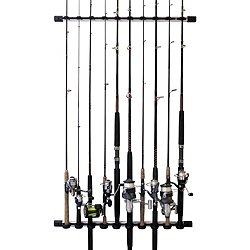
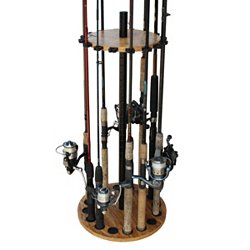
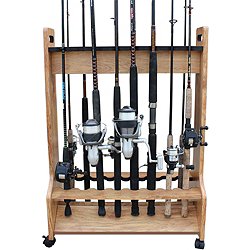
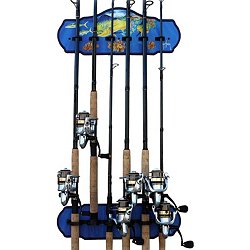
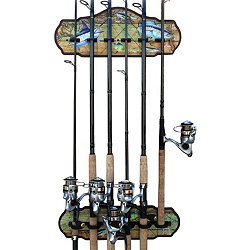
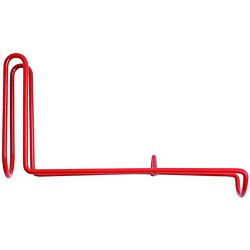
Organize your fishing gear with our premium selection of freshwater rod racks. Designed for durability and efficiency, these racks provide secure storage for your rods, keeping them tangle-free and easily accessible. With various styles, including rotating and corner options, you can maximize your space while showcasing your collection. Crafted from high-quality materials, our freshwater rod racks ensure long-lasting use and stability. Upgrade your fishing setup today and enjoy a clutter-free environment that enhances your fishing experience.
When choosing a freshwater rod rack, consider the number of rods you need to store and the available space in your home or garage. Look for racks that offer stability and durability, as well as features like rotation or adjustable configurations for easy access. Additionally, think about the materials used in the construction, as they can affect the longevity and appearance of the rack. Finally, ensure the design complements your storage needs and fits well with your fishing gear organization.
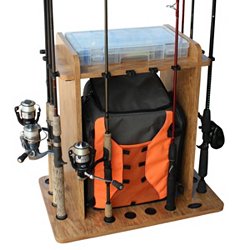
A typical freshwater rod rack can hold anywhere from a few to several fishing rods, depending on its design and size. Many racks are designed to accommodate between 4 to 24 rods, providing options for both casual anglers and more serious fishing enthusiasts. The configuration may vary, with some racks offering rotating features or multi-tiered storage to maximize space. When selecting a rod rack, consider your storage needs and the available space in your fishing area.
Freshwater rod racks are typically made from a variety of materials designed for durability and stability. Common materials include wood, which offers a classic look and sturdy support, and metal, known for its strength and resistance to wear. Some racks may also incorporate plastic components for lightweight and moisture-resistant features. These materials help ensure that the rod racks can securely hold fishing rods while withstanding the elements.
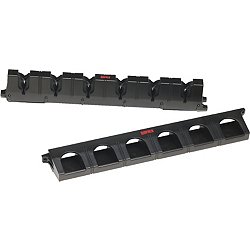
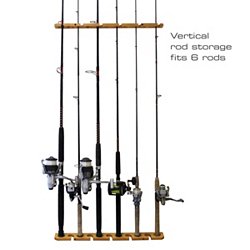
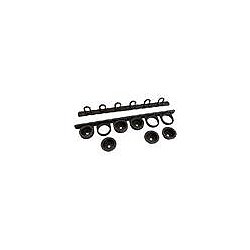
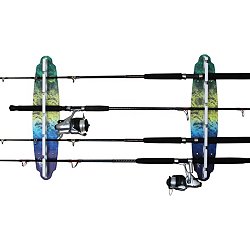
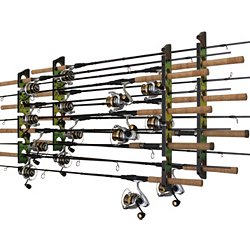
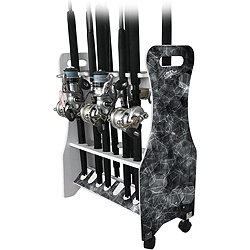
Yes, there are various styles of freshwater rod racks available to suit different storage needs and preferences. Some racks are designed for wall mounting, while others are freestanding or rotating, allowing for easy access and organization. Additionally, you can find racks that accommodate multiple rods or those that focus on compact storage for limited spaces. These options help anglers keep their gear organized and ready for use.
To determine the best size for a freshwater rod rack, consider the number of fishing rods you plan to store and the available space in your home or garage. Measure the area where you intend to place the rack to ensure it fits comfortably without overcrowding. Additionally, think about the length of your rods, as some racks are designed to accommodate longer rods while others may be more suitable for shorter ones. Choosing a rack that allows for easy access and organization will enhance your fishing experience.
When selecting a freshwater rod rack for durability, consider materials that can withstand moisture and wear, such as high-quality plastics or treated wood. Look for racks with sturdy construction that can support the weight of multiple rods without bending or breaking. Additionally, features like reinforced joints and non-slip grips can enhance stability and protect your rods from damage. A design that allows for easy access and organization can also contribute to the longevity of the rack.
Many freshwater rod racks are designed to accommodate various types of fishing rods, including those used for saltwater fishing or fly fishing. The versatility of these racks often allows them to hold different rod lengths and styles, making them suitable for a range of fishing applications. However, it's important to check the specifications of the rod rack to ensure it meets your specific needs and can securely hold the rods you intend to store.
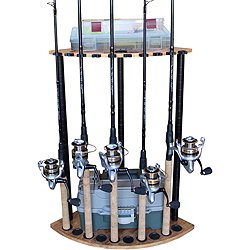
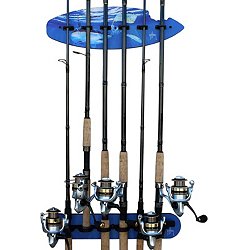
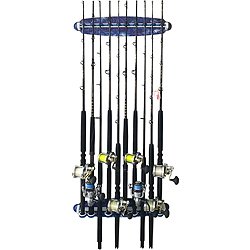
A rotating freshwater rod rack offers several advantages for anglers looking to organize their fishing gear. Its design allows for easy access to multiple rods, making it simple to find the right one quickly. Additionally, the rotating feature maximizes storage efficiency by utilizing vertical space, which is especially beneficial in smaller areas. This type of rack also helps keep rods secure and tangle-free, ensuring that your equipment remains in good condition.
Installing a freshwater rod rack in your home or garage typically involves a few straightforward steps. First, choose a suitable location that is easily accessible and has enough space for your fishing rods. Use a level to mark where the rack will be mounted, ensuring it is straight. Then, drill holes for the mounting hardware, secure the rack in place, and make sure it is firmly attached to the wall or surface to hold the weight of the rods. Finally, organize your rods on the rack for easy access and storage.
To effectively organize fishing rods on a freshwater rod rack, start by grouping rods based on their type and length. Ensure that each rod is securely placed in its designated holder to prevent tangling and damage. Consider arranging them in a way that allows easy access to your most frequently used rods, while also keeping less-used rods stored safely. Regularly check and adjust the organization as needed to maintain a tidy and functional setup.
Continue browsing