â
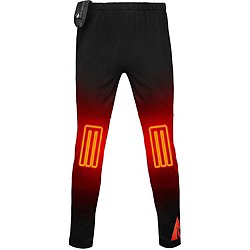
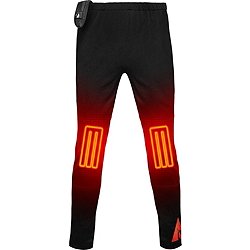
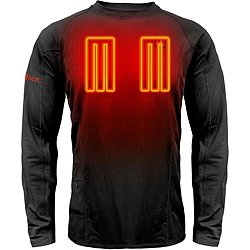
Stay warm on the slopes with our heated base layers for skiing. Designed for ultimate comfort and warmth, these innovative garments feature adjustable heating elements that provide targeted warmth where you need it most. Crafted from moisture-wicking materials, they ensure you stay dry and cozy during your outdoor adventures. Lightweight and form-fitting, our heated base layers easily layer under your ski gear for added insulation. Embrace the cold with confidence and enjoy longer days on the mountain with the perfect blend of technology and performance.
When selecting a heated base layer for skiing, consider the material for moisture-wicking and insulation properties to keep you dry and warm. Look for adjustable heating settings that allow you to customize warmth based on conditions and your activity level. Additionally, ensure the base layer has a comfortable fit that allows for ease of movement while skiing. Battery life is also important, as longer-lasting options will keep you warm throughout your day on the slopes.
Heated base layers enhance comfort during skiing by providing consistent warmth in cold conditions, helping to regulate body temperature. They are designed to wick moisture away from the skin, keeping you dry and comfortable throughout your activity. The added warmth can help reduce the chill that often comes with prolonged exposure to cold weather, allowing for a more enjoyable skiing experience. Many heated base layers also offer flexibility and a snug fit, ensuring ease of movement while skiing.
Heated base layers for skiing are typically made from a blend of synthetic materials such as polyester and nylon, which provide moisture-wicking properties and durability. These fabrics are often combined with spandex for added stretch and comfort, allowing for ease of movement while skiing. Additionally, some heated base layers may incorporate advanced thermal technologies to enhance warmth and insulation without adding bulk.
Heated base layers can enhance comfort in various skiing conditions, particularly in cold weather. They are designed to provide additional warmth by using built-in heating elements, making them beneficial for those who may be sensitive to low temperatures. However, their effectiveness can vary based on factors such as the intensity of the cold, the duration of exposure, and individual preferences for warmth. It is advisable to consider the specific weather conditions and personal comfort levels when choosing heated base layers for skiing.
To determine the right size for a heated base layer, start by measuring your chest, waist, and hips using a flexible measuring tape. Compare your measurements to the sizing chart provided by the manufacturer, as sizes can vary between brands. Consider the fit you prefer; some may opt for a snug fit for better heat retention, while others may prefer a looser fit for comfort. Additionally, check for any specific sizing recommendations related to the heating elements to ensure optimal performance.
The typical battery life of heated base layers while skiing can vary based on the heat settings used and the specific model. Many heated base layers offer multiple heat settings, allowing users to adjust the warmth according to their needs. On lower settings, the battery can last several hours, while higher settings may reduce the battery life. It's important to check the specifications of the specific heated base layer for more detailed information on battery performance.
Yes, heated base layers are designed to be worn under other ski gear. They provide an additional layer of warmth while allowing for flexibility and comfort during movement. These base layers typically fit snugly against the skin, making them ideal for layering without adding bulk. Wearing them under ski pants and jackets can help maintain body heat in cold conditions.
Heated base layers for skiing come in various styles, primarily differentiated by their design and intended use. Some styles include tops and bottoms, allowing for targeted warmth in specific areas, while others may offer full-body coverage. Additionally, materials can vary, with options that prioritize moisture-wicking properties or added insulation. The heating elements may also differ in terms of placement and battery life, catering to different preferences for warmth and comfort during outdoor activities.
To operate the heating elements in a heated base layer, first ensure that the garment is fully charged by connecting it to a power source using the provided charging cable. Once charged, locate the control button, which is typically integrated into the fabric or located on the garment. Press the button to turn on the heating elements, and you may have options to adjust the heat settings according to your preference. Always refer to the specific instructions provided with the garment for detailed operation guidelines.
Heated base layers typically require special care to maintain their functionality and longevity. While many can be machine washed, it is important to follow the manufacturer's care instructions, which often recommend using a gentle cycle and cold water. Additionally, it is advisable to avoid fabric softeners and to air dry rather than using a dryer, as high heat can damage the heating elements. Always check the specific care guidelines for your heated base layer to ensure proper maintenance.
Continue browsing