â
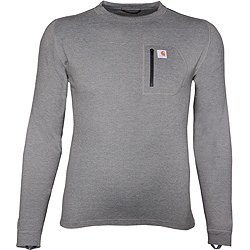
Discover the ultimate in comfort and durability with our heavy shirt collection. Designed for warmth and versatility, these shirts are perfect for layering or wearing on their own during cooler days. Crafted from high-quality materials, they offer a robust feel while ensuring breathability and style. Whether you're working outdoors or enjoying a casual outing, our heavy shirts provide the perfect blend of functionality and fashion. Elevate your wardrobe with these essential pieces that are built to withstand the elements while keeping you comfortable all day long.
A heavy shirt is typically made from thicker, more durable materials designed to provide additional warmth and comfort, making it suitable for cooler weather. Unlike regular shirts, which may be made from lighter fabrics, heavy shirts often feature a heavier weight fabric that can offer better insulation and a more substantial feel. They are commonly used as base layers or standalone pieces in outdoor activities, providing both style and functionality. Many heavy shirts also incorporate features like moisture-wicking properties or added stretch for enhanced performance.
Heavy shirts are typically made from durable materials designed to provide warmth and comfort. Common fabrics include cotton, which offers breathability and softness, and polyester blends that enhance moisture-wicking properties. Additionally, flannel and heavyweight fleece are often used for their insulating qualities, making them suitable for colder weather. These materials contribute to the overall functionality and versatility of heavy shirts for various activities.
Wearing a heavy shirt in colder weather provides added warmth and insulation, making it an ideal choice for outdoor activities or casual wear. The thicker fabric helps to trap heat close to the body while also offering durability against the elements. Many heavy shirts are designed with moisture-wicking properties, which can help keep you dry and comfortable during physical activities. Additionally, they often feature styles that allow for layering, enhancing versatility in your winter wardrobe.
A heavy shirt should fit comfortably without being overly tight or restrictive, allowing for ease of movement. It is ideal for the shirt to have a slightly relaxed fit, especially in the shoulders and chest, to accommodate layering underneath if needed. The length should be sufficient to stay tucked in or provide coverage when worn untucked, while the sleeves should allow for full range of motion without feeling constricted. Overall, the fit should balance comfort and style, ensuring it can be worn for various activities or casual outings.
Heavy shirts can be suitable for outdoor activities or sports, depending on the material and design. They often provide warmth and durability, making them ideal for cooler weather or rugged environments. Many heavy shirts are designed with moisture-wicking properties, which can help keep you comfortable during physical activities. Additionally, their sturdy construction can withstand the demands of outdoor adventures.
When selecting a quality heavy shirt, consider the fabric's weight and thickness, as these contribute to warmth and durability. Look for features such as moisture-wicking properties, which help keep you dry during physical activities, and insulation for added warmth in colder conditions. Additionally, pay attention to the fit and style, ensuring it allows for comfortable movement while providing a flattering silhouette. Finally, check for details like reinforced seams and quality stitching, which enhance the shirt's longevity.
Heavy shirts are typically made from robust materials that enhance their durability and longevity. The thicker fabric often withstands wear and tear better than lighter options, making them suitable for various activities and environments. Many heavy shirts are designed to retain their shape and color over time, ensuring they remain a staple in your wardrobe. Additionally, the construction of these shirts often includes reinforced seams, contributing to their overall resilience.
Yes, heavy shirts can be effectively layered with other clothing items. They provide warmth and comfort, making them suitable for wearing under jackets or over lighter base layers. Many styles are designed to fit comfortably, allowing for easy movement and versatility in various weather conditions. Layering with heavy shirts can enhance your overall outfit while providing additional insulation.
Heavy shirts come in a variety of styles suitable for different occasions. For outdoor activities, you can find flannel and microchill options that provide warmth and comfort. Casual settings often feature graphic tees and oversized designs, while base layer tops are ideal for layering during colder weather. Each style offers unique materials and fits to cater to various preferences and needs.
To maintain heavy shirts, it is generally recommended to follow the care instructions on the garment's label. Most heavy shirts can be machine washed in cold water to prevent shrinking and fading. It is advisable to avoid using bleach and to tumble dry on low heat or hang dry to preserve the fabric's integrity. Additionally, ironing on a low setting may be necessary for certain materials to keep them looking their best.
Continue browsing



 (2)