â
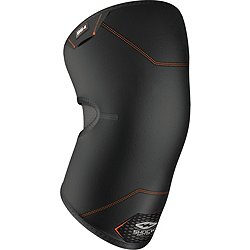
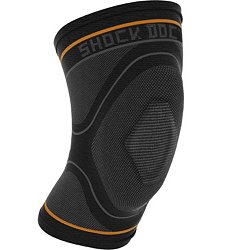
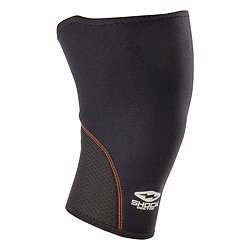
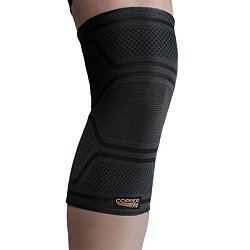
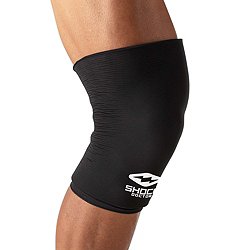
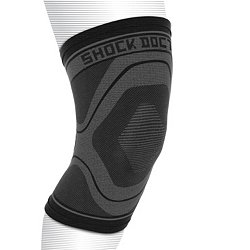
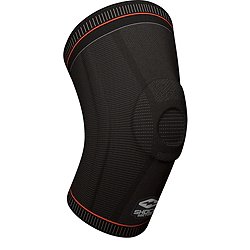
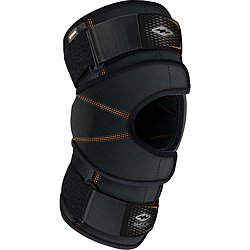
Explore a range of knee sleeves for running designed to provide support and comfort during your workouts. These sleeves often feature compression technology to help stabilize the knee joint and may assist in reducing discomfort. Constructed from breathable materials, they aim to keep you cool and dry while allowing for a full range of motion. With various designs available, including options with open patella support and reinforced seams, you can find a knee sleeve that fits your needs for both training and recovery.
Knee sleeves for running provide support and stability to the knee joint, helping to reduce the risk of injury during physical activity. They offer compression, which can enhance blood flow and reduce swelling, making them beneficial for recovery after intense workouts. Additionally, they help maintain warmth in the knee area, which can improve overall comfort while running.
Knee sleeves for running are typically made from materials like neoprene, nylon, and spandex, which offer a combination of elasticity, breathability, and durability. These materials help provide a snug fit while allowing for flexibility and movement. Some knee sleeves also incorporate features like moisture-wicking technology to keep the skin dry during exercise.
Choosing the right size knee sleeve involves measuring the circumference of your knee and comparing it to the sizing chart provided by the manufacturer. It's important to select a sleeve that fits snugly without being too tight, as this ensures optimal support and comfort during runs. Many brands offer a range of sizes to accommodate different leg shapes and sizes.
Yes, knee sleeves are versatile and can be used for a variety of activities beyond running, including cycling, weightlifting, and other sports that put stress on the knees. They provide support and compression, making them suitable for both high-impact and low-impact exercises. Many athletes wear them during training and competitions to help prevent injuries.
When selecting a knee sleeve for running, look for features such as breathable materials that wick moisture away, a comfortable fit that allows for full range of motion, and reinforced seams for added durability. Some sleeves may also have additional support features like gel padding or silicone grips to keep them in place during movement.
A knee sleeve can help alleviate knee pain during running by providing compression that supports the joint and surrounding muscles. This compression can reduce swelling and improve blood circulation, which may help in the recovery of minor injuries. Additionally, the warmth generated by the sleeve can soothe discomfort and stiffness in the knee area.
Knee sleeves can be beneficial for individuals with pre-existing knee conditions, as they provide support and stability that may help alleviate pain during physical activity. However, it's important to consult with a healthcare professional before using a knee sleeve, especially if you have a specific injury or condition, to ensure it is appropriate for your situation.
A knee sleeve is typically designed for compression and support, providing a snug fit that helps with minor pain and stability during activities like running. In contrast, a knee brace often offers more rigid support and is used for specific injuries or conditions that require immobilization or significant stabilization. The choice between the two depends on the level of support needed and the type of activity.
Continue browsing