â
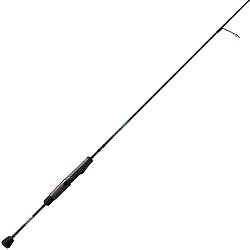
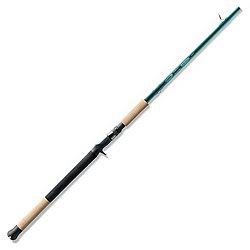
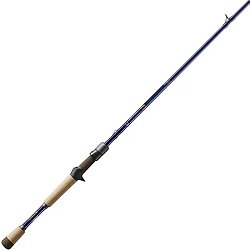
Gear up for your next adventure with our premium musky fishing gear, designed for both novice and seasoned anglers. Our collection features durable rods, high-performance reels, and a variety of lures tailored to attract these elusive fish. With weather-resistant materials and innovative designs, you can trust that our gear will withstand the toughest conditions. Enhance your fishing experience with accessories that ensure convenience and efficiency on the water. Explore our selection and prepare to reel in your next big catch with confidence!
When selecting musky fishing gear, consider the type of rod and reel that best suits your fishing style and the specific conditions you'll be facing. Look for gear that offers the right power and action to handle larger fish, as well as durability to withstand tough environments. Additionally, consider the line strength and lure types that are effective for musky fishing.
Musky fishing gear is typically made from high-quality materials designed for strength and resilience. Rods may feature graphite or fiberglass for lightweight durability, while reels often use aluminum or composite materials for corrosion resistance. The line is usually made from braided or monofilament materials that offer high tensile strength to handle the fight of a musky.
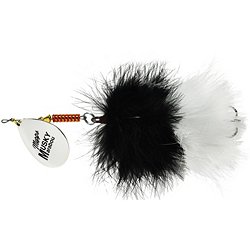
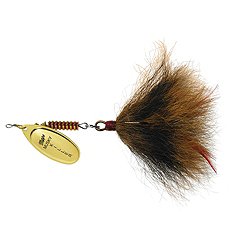
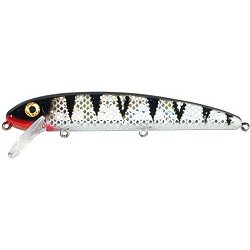
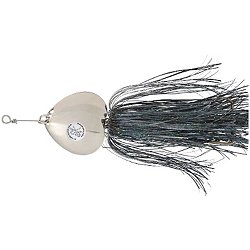
Effective lures for musky fishing include large spinners, crankbaits, and topwater lures that create significant movement and noise in the water. Many anglers also use jerkbaits and swimbaits that mimic the natural prey of musky. The choice of lure often depends on the time of year, water conditions, and the specific behavior of the fish.
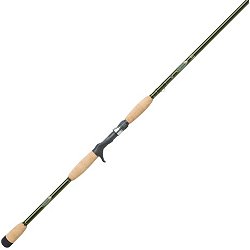
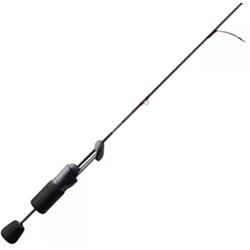
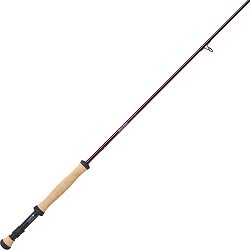
The length of a musky rod can significantly impact your casting distance, accuracy, and leverage when fighting a fish. Longer rods typically allow for greater casting distance and better line control, while shorter rods can provide more power and sensitivity. It's important to choose a rod length that matches your fishing technique and the environment you are fishing in.
When selecting a musky fishing reel, look for features such as a high gear ratio for quick retrieves, a strong drag system to handle large fish, and corrosion-resistant materials for durability. A smooth operation is also essential for preventing line tangles and ensuring a successful catch. Additionally, consider the reel's weight and balance in relation to your rod for optimal performance.
The best time for musky fishing typically varies by region, but many anglers find success during the spring and fall months when musky are more active and feeding aggressively. During warmer months, early mornings and late evenings can be particularly productive. Understanding seasonal patterns and water temperatures can help improve your chances of a successful catch.
Continue browsing



 (3)
(3)