â
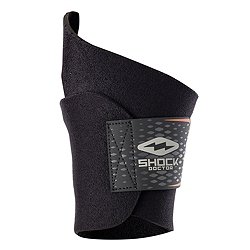
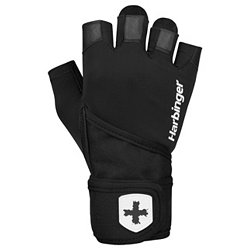
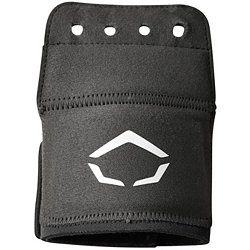
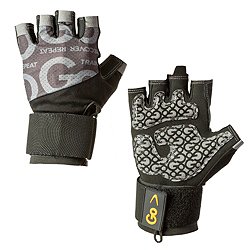
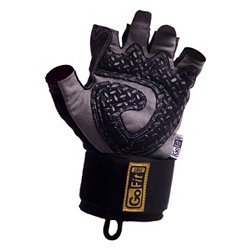
Discover the benefits of a neoprene wrist brace designed for support and comfort during any activity. These braces provide optimal compression to reduce swelling and promote healing, making them ideal for sports and daily wear. Crafted from durable neoprene material, they offer flexibility and breathability while ensuring a secure fit. Whether you're recovering from an injury or seeking preventative support, our selection of neoprene wrist braces will help you maintain mobility and confidence in your movements. Protect your wrists and enhance your performance with reliable support.
A neoprene wrist brace is designed to provide support and stability to the wrist during various activities. It can help to alleviate discomfort from strains or overuse, making it suitable for both athletic and everyday use. The material offers a snug fit while allowing for some flexibility, which can enhance comfort and mobility. Many individuals use these braces to aid in recovery or to prevent further strain during physical activities.
A neoprene wrist brace provides support by offering compression and stability to the wrist joint. The material helps to retain heat, which can promote blood flow and flexibility in the area. Additionally, the brace can limit excessive movement, helping to reduce strain during activities. This combination of support and comfort makes it suitable for various uses, including sports and daily activities.
Using a neoprene wrist brace during physical activities can provide support and stability to the wrist, helping to reduce strain during movement. The material is often flexible and comfortable, allowing for a full range of motion while still offering compression. This can be particularly beneficial for individuals engaging in repetitive motions or high-impact sports, as it may help to alleviate discomfort and enhance performance. Additionally, the moisture-wicking properties of neoprene can help keep the wrist dry during intense workouts.
Neoprene wrist braces are designed to provide support and compression, which can be beneficial for various wrist injuries. However, they may not be suitable for all types of injuries, as the level of support needed can vary depending on the specific condition. It is important to assess the nature of the injury and consult with a healthcare professional for personalized advice on the appropriate type of support. Many users find neoprene braces helpful for mild strains, sprains, or general wrist stability during activities.
To choose the right size for a neoprene wrist brace, first measure the circumference of your wrist using a flexible measuring tape. Wrap the tape around the narrowest part of your wrist, ensuring it is snug but not too tight. Once you have your measurement, refer to the sizing chart provided by the manufacturer, as sizes can vary. It's important to select a size that allows for a comfortable fit while providing adequate support.
When selecting a neoprene wrist brace, consider features such as adjustable straps for a customized fit, which can enhance comfort and support. Look for breathable materials that allow for airflow, helping to keep the skin dry during use. Additionally, consider the level of compression offered, as this can aid in stability while still allowing for a full range of motion. Finally, check for padding or additional support elements that can provide extra protection during activities.
Yes, a neoprene wrist brace can be worn during sports or workouts. It is designed to provide support and stability to the wrist while allowing for a full range of motion. Many athletes choose neoprene braces for their flexibility and comfort, making them suitable for various activities, including weightlifting, running, and team sports. However, it's important to ensure that the brace fits properly to avoid any discomfort during use.
The material of a neoprene wrist brace plays a crucial role in its performance by providing flexibility, support, and comfort. Neoprene is known for its ability to retain heat, which can help keep the wrist warm and promote circulation during activity. Additionally, its stretchable nature allows for a snug fit that can accommodate various wrist sizes while still offering adequate support. The durability of neoprene also ensures that the brace can withstand regular use in various sports and activities.
A wrist sleeve is typically made from flexible materials that provide compression and support while allowing for a full range of motion. In contrast, a wrist brace is designed to offer more rigid support and stability, often incorporating additional features like straps or splints to limit movement and protect the wrist during recovery or high-impact activities. Both options can be beneficial depending on the level of support needed and the specific activity being performed.
Neoprene wrist braces are designed to provide compression and support, making them suitable for various activities. They often offer a snug fit that helps retain heat, which can aid in flexibility and comfort during movement. Compared to other types of wrist supports, such as fabric or rigid braces, neoprene options tend to be more lightweight and flexible, allowing for a greater range of motion while still offering support. This makes them a popular choice for athletes and individuals looking for a balance between support and mobility.
Continue browsing