â
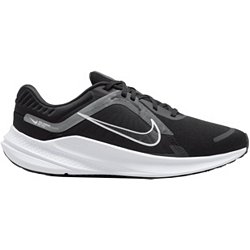
Discover the ultimate in comfort and support with our collection of men's running shoes designed for stability and performance. Featuring advanced cushioning and responsive technology, these shoes are perfect for both casual joggers and serious runners. The breathable materials ensure optimal airflow, keeping your feet cool during your workouts. With a sleek design and durable construction, these shoes provide the perfect blend of style and functionality. Elevate your running experience and achieve your fitness goals with footwear engineered for excellence.
When selecting men's running shoes, consider features such as cushioning, support, and breathability. Look for a design that offers adequate arch support to match your foot type, as well as a lightweight construction for comfort during runs. Additionally, a durable outsole can enhance traction on various surfaces, while a breathable upper material helps keep your feet cool. Finally, ensure the fit is snug but not too tight to allow for natural foot movement.
To determine the right size for men's running shoes, start by measuring your foot length and width using a ruler or measuring tape. It's best to measure your feet at the end of the day when they are most swollen. Compare your measurements to the sizing chart provided by the brand, as sizes can vary between different styles. Additionally, consider trying on shoes with the socks you plan to wear while running to ensure a comfortable fit.
Men's running shoes are designed primarily for running and jogging, providing the necessary support and cushioning for these activities. They are also suitable for walking, casual outings, and light training sessions. Many styles offer features that enhance comfort and performance, making them versatile for various fitness routines. Additionally, some designs may be appropriate for gym workouts or cross-training, depending on their construction and support.
Men's running shoes are typically made from a combination of lightweight mesh, synthetic materials, and rubber. The mesh provides breathability and comfort, while synthetic materials often enhance durability and support. Rubber outsoles are commonly used for traction and grip on various surfaces. Many shoes also incorporate cushioning materials to enhance comfort during runs.
Men's running shoes vary in support and cushioning to cater to different running styles and preferences. Support typically refers to the shoe's ability to stabilize the foot, which can be crucial for runners who overpronate or require additional arch support. Cushioning, on the other hand, affects how the shoe absorbs impact and provides comfort during runs, with some shoes offering a softer feel while others may be firmer for a more responsive experience. Choosing the right combination of support and cushioning can enhance performance and comfort based on individual needs.
Stability running shoes are designed to provide support and help maintain proper alignment during runs, making them suitable for many male runners who may overpronate. These shoes often feature cushioning and structured midsoles that enhance comfort while reducing the risk of fatigue over longer distances. Additionally, the design typically includes a secure fit that helps improve overall performance and stability on various terrains. Many runners find that stability shoes contribute to a more confident and enjoyable running experience.
Yes, there are specific styles of men's running shoes designed to accommodate different foot types. For instance, runners with flat feet may benefit from shoes that offer more stability and support, while those with high arches might prefer shoes with added cushioning. Additionally, neutral runners often look for shoes that provide a balance of support and flexibility. It's important to consider your foot type and running style when selecting the right footwear for optimal comfort and performance.
When choosing men's running shoes for long-distance running, consider factors such as cushioning, support, and fit. Look for shoes that provide adequate shock absorption to reduce impact on your joints during extended runs. A secure fit is essential to prevent blisters and discomfort, so ensure there is enough room in the toe box while keeping the heel snug. Additionally, consider the shoe's weight and breathability, as these features can enhance your overall running experience.
Seasonal changes can significantly influence the choice of men's running shoes due to variations in weather conditions and terrain. In warmer months, lightweight and breathable materials are often preferred to enhance comfort and ventilation. Conversely, during colder or wetter seasons, shoes with better insulation and traction may be necessary to provide stability and support on slippery surfaces. Additionally, runners may consider shoes with more cushioning for longer distances in colder weather to help absorb impact.
The typical lifespan of men's running shoes is generally between 300 to 500 miles, depending on factors such as the shoe's construction, the runner's weight, and running style. Signs that it may be time to replace your shoes include decreased cushioning, visible wear on the outsole, and discomfort during runs. Regularly assessing the condition of your shoes can help ensure optimal performance and comfort. Many runners find it helpful to track their mileage to determine when a replacement is necessary.
Continue browsing



 (1)