â
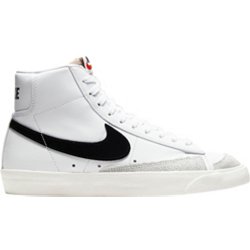
Our Nike Blazer Low sold out quickly! Explore similar styles now!
Nike Blazer Low shoes are known for their classic silhouette and versatile design. They typically feature a low-top profile, which allows for easy movement and a casual look. The shoes often include a padded collar for added comfort and a rubber outsole for traction, making them suitable for both everyday wear and light athletic activities.
Nike Blazer Low shoes are usually made from a combination of leather, suede, and synthetic materials. The upper often features durable leather or suede for a premium look and feel, while the lining may include breathable fabrics to enhance comfort. The rubber outsole provides durability and grip, making these shoes suitable for various surfaces.
Nike Blazer Low shoes are versatile and can be worn in a variety of situations. They are perfect for casual outings, everyday wear, and light sports activities. Their stylish design also makes them suitable for social gatherings or relaxed environments, allowing you to pair them with different outfits.
Nike Blazer Low shoes stand out due to their unique low-top design and retro aesthetic. Unlike high-top sneakers, they offer a more casual and laid-back look, making them easier to style with various outfits. Additionally, they provide a different level of ankle support and mobility compared to other sneaker styles, catering to those who prefer a lower profile.
When selecting the right size for Nike Blazer Low shoes, it's important to consider both the fit and the intended use. Many users find that these shoes run true to size, but trying them on or checking sizing charts can help ensure a comfortable fit. Additionally, if you plan to wear thicker socks or use them for specific activities, you may want to adjust your size accordingly.
Nike Blazer Low shoes are generally suitable for multiple seasons, particularly spring and fall when the weather is milder. Their breathable materials make them comfortable for warmer days, while their durable construction allows for wear during cooler temperatures. However, they may not provide sufficient insulation for extreme winter conditions, so it’s best to consider other options for harsh weather.
Continue browsing