â
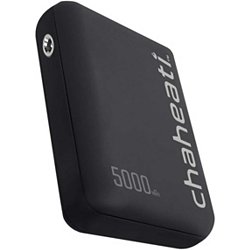
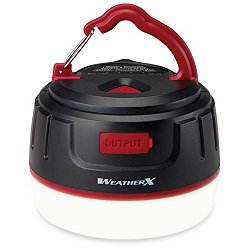
Discover our range of rechargeable electronics batteries, designed to power your devices efficiently and sustainably. These versatile batteries offer high-capacity options to keep your gadgets running longer, whether for outdoor adventures or everyday use. With features like quick charging and compact designs, they are perfect for portable electronics, ensuring you stay connected on the go. Choose from a variety of battery types to meet your specific needs, and enjoy the convenience of reliable power without the hassle of disposable options. Stay charged and ready for anything!
Rechargeable electronics batteries offer several advantages over disposable ones. They are more environmentally friendly, as they reduce waste by being reused multiple times before needing replacement. Additionally, rechargeable batteries can be more cost-effective in the long run, as they eliminate the need for frequent purchases of disposable batteries. They also tend to provide consistent power output, making them suitable for a variety of electronic devices.
To determine the right capacity for a rechargeable battery, first check the power requirements of your devices, which are usually listed in milliamp hours (mAh) or watt hours (Wh). Consider how long you need the battery to last between charges; higher capacity batteries will provide longer usage times. Additionally, think about the size and weight of the battery, as larger capacities may add bulk. Finally, ensure compatibility with your devices to avoid any performance issues.
Rechargeable electronics batteries are commonly used in a variety of devices, including portable power banks, personal fans, and headlamps. They are also found in various outdoor equipment and gadgets that require a reliable power source for extended use. Many electronic devices, such as smartphones and tablets, utilize rechargeable batteries for convenience and sustainability. These batteries are designed to provide a consistent power supply while reducing the need for disposable options.
When choosing rechargeable batteries, consider the capacity measured in milliamp hours (mAh), as this indicates how long the battery can power your device. Look for compatibility with your specific electronics to ensure optimal performance. Additionally, check the charging time and cycle life, which reflect how many times the battery can be recharged before its capacity diminishes. Features like built-in safety mechanisms and portability can also enhance usability for various applications.
Rechargeable electronics batteries typically last for several hundred to a few thousand charge cycles before they may need replacement. The lifespan can vary based on factors such as usage patterns, charging habits, and the specific technology used in the battery. Many batteries will show a gradual decline in performance over time, which may lead to shorter usage periods between charges. Regular maintenance and proper charging practices can help extend the life of rechargeable batteries.
Rechargeable electronics batteries are typically made from a variety of materials that enhance their performance and longevity. Common materials include lithium, nickel, and cobalt, which are often used in lithium-ion and nickel-metal hydride batteries. Additionally, these batteries may contain plastic and metal components for casing and structural integrity. The choice of materials can affect the battery's capacity, charging speed, and overall efficiency.
Rechargeable batteries can be sensitive to extreme temperatures and conditions. Many types perform best within a specific temperature range, typically between 32°F and 104°F. Exposure to very high or low temperatures can affect their performance, capacity, and lifespan. It is advisable to check the manufacturer's guidelines for optimal usage conditions to ensure reliable operation.
Rechargeable batteries come in various types, each designed for specific uses and capacities. Some are compact and portable, ideal for powering small devices like fans or portable chargers, while others are larger and suited for high-drain applications, such as headlamps or outdoor gear. The capacity of these batteries, often measured in milliamp hours (mAh), indicates how long they can power a device before needing a recharge. Additionally, the design and features may vary, with some batteries offering quick charging capabilities or enhanced durability for outdoor conditions.
To determine if a rechargeable battery is compatible with your device, first check the device's specifications for the required battery type and voltage. Look for any manufacturer recommendations or guidelines regarding battery compatibility. Additionally, consider the physical size and connector type of the battery to ensure it fits properly in your device. If available, consult the user manual or product documentation for further details on compatible battery options.
To store rechargeable electronics batteries properly, keep them in a cool, dry place away from direct sunlight and extreme temperatures. It is advisable to store batteries at around 50% charge to help prolong their lifespan. Additionally, avoid placing them in metal containers or near conductive materials that could cause short-circuiting. Regularly check the batteries for any signs of damage or corrosion to ensure they remain in good condition.
Continue browsing