â
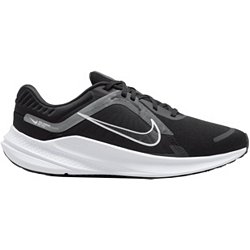
Our Reebok Outdoor Shoes sold out quickly! Explore similar styles now!
When selecting outdoor shoes, consider features such as traction, which helps provide grip on various terrains, and waterproof materials to keep your feet dry in wet conditions. Look for cushioning and support to enhance comfort during extended wear, as well as breathability to maintain airflow and reduce moisture buildup. Additionally, a secure fit is important to prevent slipping and ensure stability while navigating uneven surfaces.
To determine the right size for outdoor shoes, start by measuring your foot length and width using a ruler or measuring tape. It's helpful to try on shoes later in the day when your feet are slightly swollen, as this can provide a more accurate fit. Additionally, consider the type of socks you plan to wear with the shoes, as thicker socks may require a larger size. Always check the sizing chart provided by the manufacturer, as sizes can vary between different styles and brands.
Outdoor shoes are typically made from a combination of durable materials designed to withstand various environmental conditions. Common materials include synthetic fabrics, leather, and rubber, which provide strength and resistance to wear. Additionally, many outdoor shoes feature waterproof membranes to keep feet dry and breathable materials to enhance comfort during extended wear. The outsoles are often made from rubber for traction and stability on different terrains.
Yes, there are outdoor shoes specifically designed to handle various terrains. For instance, some shoes are optimized for rocky or uneven surfaces, featuring rugged outsoles for better traction. Others may be designed for wet conditions, incorporating water-resistant materials to keep your feet dry. Additionally, there are options tailored for trail running or hiking, providing extra support and cushioning for comfort during outdoor activities.
Outdoor shoes are designed specifically for rugged terrain and various weather conditions, offering enhanced traction and stability compared to regular sneakers. They often feature durable materials that provide better protection against elements like water and debris. Additionally, outdoor shoes typically have supportive structures that cater to the demands of hiking, trail running, or other outdoor activities, ensuring comfort during extended wear. This specialized design helps improve performance and overall experience in outdoor environments.
Outdoor shoes are designed with features that enhance support and comfort for various activities. They often include cushioned insoles and padded collars to provide a comfortable fit, while supportive midsoles help absorb impact during movement. Additionally, many outdoor shoes have durable outsoles that offer traction on different terrains, contributing to stability and reducing fatigue. The combination of these elements allows for a more enjoyable experience during outdoor adventures.
When choosing outdoor shoes, styles designed for hiking typically feature rugged soles, enhanced traction, and supportive materials to handle varied terrain. These shoes often include waterproof features and additional ankle support for stability on trails. In contrast, casual outdoor shoes prioritize comfort and breathability, making them suitable for everyday wear and light activities. They may have a more relaxed fit and stylish designs, allowing for versatility in casual settings.
Outdoor shoes are designed to be versatile and can often be used for multiple activities, such as hiking, walking, and casual outings. Many models feature durable materials and supportive designs that cater to various terrains and conditions. However, some outdoor shoes may be more specialized for specific activities, offering features like enhanced traction or waterproofing. It's important to consider the intended use when selecting outdoor footwear to ensure it meets your needs.
When choosing outdoor shoes for different seasons, consider the weather conditions and terrain you will encounter. For warmer months, look for breathable materials and lightweight designs that provide comfort during hikes or walks. In colder seasons, prioritize insulation and waterproof features to keep your feet warm and dry. Additionally, consider the traction of the outsole to ensure stability on various surfaces, whether it's wet, muddy, or snowy.
To determine if outdoor shoes are suitable for your foot type, consider factors such as arch height, foot width, and any specific foot conditions you may have. Look for shoes that offer the right level of support and cushioning for your arch type, whether you have flat, neutral, or high arches. Additionally, ensure the shoes provide enough room in the toe box and a secure fit around the heel to accommodate your foot shape. Trying on shoes with the socks you plan to wear and walking around in them can also help assess comfort and fit.
Continue browsing