â
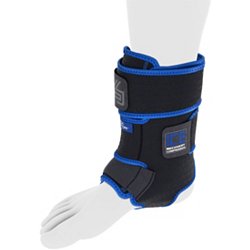
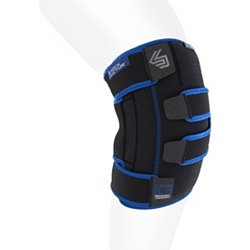
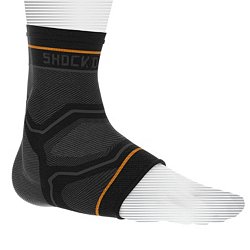
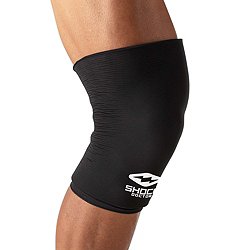
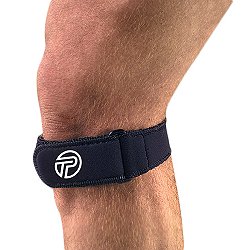
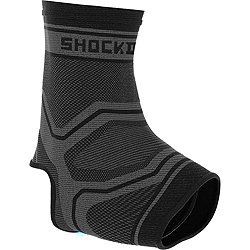
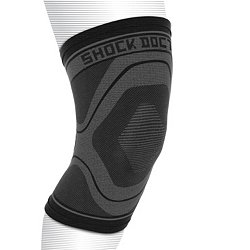
Our Shin Splint Supports sold out quickly! Explore similar styles now!
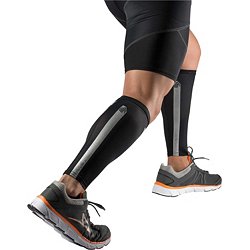
Shin splint support comes in various forms, including compression sleeves, braces, and wraps. Each type offers different levels of support and stabilization, catering to individual preferences and needs. Compression sleeves are often favored for their lightweight feel, while braces provide more rigid support for those requiring additional stability.
Shin splint support can alleviate discomfort and reduce the risk of injury during physical activities by providing compression and stability to the lower leg. This support helps to minimize excessive movement of the muscles and tendons, allowing for better performance and endurance. Additionally, it can enhance blood circulation, which may aid in recovery.
Shin splint support products are typically made from a variety of materials, including elastic, neoprene, and moisture-wicking fabrics. These materials are chosen for their ability to provide adequate compression while ensuring comfort and breathability. Some products may also feature additional padding or support structures for enhanced protection.
Using shin splint support is advisable if you experience discomfort or pain in your shins during or after physical activities, especially high-impact sports. It can also be beneficial for individuals who are returning to exercise after an injury or those who engage in repetitive movements that strain the lower legs. Consulting with a healthcare professional can help determine the best timing for use.
Yes, there are different styles of shin splint support designed for various activities, such as running, basketball, or soccer. Some supports are specifically tailored to provide maximum flexibility and breathability for high-intensity sports, while others may focus on providing extra stability for lower-impact activities. Choosing the right style can enhance comfort and performance based on the activity.
Continue browsing