â
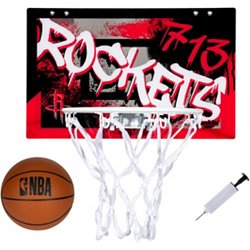
Our Softee Basketball sold out quickly! Explore similar styles now!
A softee basketball is designed primarily for indoor play and is made from soft materials, such as foam, which makes it easier to handle and less noisy during games. Unlike traditional basketballs, softee basketballs absorb sound, making them ideal for environments where noise reduction is important. They are perfect for training, practice, and recreational games, especially in settings like gyms or homes.
Using a softee basketball for training can significantly enhance hand-eye coordination due to its soft and tactile surface, which allows for better control during dribbling and passing drills. The softer material reduces the risk of injury, making it a safer option for players of all ages, especially beginners. Additionally, the noise-absorbing feature allows for focused practice without disturbing others.
Yes, softee basketballs are suitable for players of all ages, from young children learning the basics of the game to adults looking for a quieter option for practice. Their soft construction makes them particularly safe for younger players, reducing the risk of injury during play. This versatility makes them a popular choice for families and recreational leagues.
While softee basketballs are primarily designed for indoor use due to their soft material and sound-absorbing properties, they can be used outdoors in controlled environments. However, it's important to consider that exposure to rough surfaces or harsh weather conditions may affect their durability and performance over time.
Softee basketballs are best suited for a variety of activities, including training, practice sessions, and recreational games. Their design makes them particularly effective for skill development, such as dribbling, passing, and shooting, while also being a fun option for casual play with friends or family. They are especially useful in settings where noise reduction is a priority.
Choosing the right size softee basketball depends on the age and skill level of the player. Softee basketballs typically come in various sizes, with smaller sizes being suitable for younger players and larger sizes for older players. It's important to consider the player's comfort and ability to handle the ball effectively when selecting the appropriate size.
Softee basketballs are commonly made from high-quality foam, which provides a soft and lightweight feel. This material not only allows for easy handling and control but also contributes to the ball's ability to absorb sound, making it quieter during play. The foam construction is designed to withstand regular use while maintaining its shape and performance.
Yes, softee basketballs can be effective for improving shooting skills, especially for beginners and younger players. Their soft construction allows for easier handling and reduces the fear of injury, encouraging players to practice their shooting form. The tactile surface helps players develop better control and accuracy while shooting.
Continue browsing