â
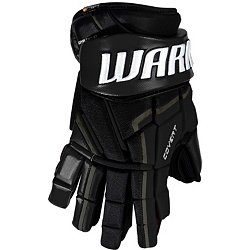
Discover the ultimate in protection and performance with our tapered hockey gloves. Designed for a snug fit, these gloves offer enhanced mobility and superior grip, allowing for precise stick handling and shooting. Crafted with durable materials, they provide excellent impact resistance while ensuring breathability during intense gameplay. Whether for youth or adult players, our tapered hockey gloves combine comfort and functionality, making them an essential addition to your hockey gear. Elevate your game with gloves that keep you agile and protected on the ice.
When choosing tapered hockey gloves, consider the fit and style that best suits your playing position and personal preference. Tapered gloves typically offer a snug fit around the fingers and a looser fit at the cuff, allowing for better mobility and stick handling. Additionally, pay attention to the materials used, as they can affect durability and comfort. Finally, ensure the gloves provide adequate protection while allowing for flexibility during gameplay.
Tapered hockey gloves are designed with a snug fit around the fingers and a looser fit in the cuff area, allowing for greater mobility and dexterity. This design contrasts with traditional styles, which typically offer a more uniform fit throughout the glove. The tapered shape helps players maintain better stick control and feel while still providing adequate protection. Many players prefer this style for its balance of comfort and performance on the ice.
Tapered hockey gloves are designed to provide a snug fit around the fingers and wrist while allowing for a looser fit in the palm area. This design enhances stick feel and control, enabling players to handle the puck more effectively. Additionally, the streamlined shape can improve mobility, allowing for quicker hand movements and better overall performance on the ice. Many players appreciate the balance of protection and dexterity that tapered gloves offer during gameplay.
Tapered hockey gloves are typically made from a combination of synthetic materials and textiles designed for durability and flexibility. Common materials include nylon or polyester for the outer shell, which provides resistance to wear and tear. Additionally, many gloves feature foam padding for protection and comfort, along with a soft liner for moisture management and a comfortable fit. The design often incorporates a tapered fit that enhances mobility while maintaining a snug feel around the wrist and fingers.
To determine the right size for tapered hockey gloves, start by measuring the circumference of your hand just below the knuckles, excluding the thumb. Use a measuring tape or a piece of string to get an accurate measurement, then compare it to the sizing chart provided by the manufacturer. Additionally, consider the length of your fingers, as some gloves may have specific sizing recommendations based on finger length. Trying on different sizes and styles can also help ensure a comfortable fit that allows for good mobility and grip.
Tapered hockey gloves are designed to offer a snug fit around the fingers and a looser fit at the cuff, providing a balance of mobility and protection. While they are popular among forwards for their enhanced dexterity and stickhandling capabilities, many players in various positions can benefit from their design. Ultimately, the choice of glove style may depend on personal preference and playing style, so it's important to consider individual needs when selecting gloves.
When selecting tapered hockey gloves for improved grip, consider features such as a textured palm material that enhances stick control and feel. Look for gloves with a snug fit around the fingers and wrist, as this can help maintain dexterity while handling the puck. Additionally, gloves with reinforced areas in high-wear zones can provide durability without sacrificing grip. Finally, ensure that the gloves have a flexible design to allow for natural hand movement during play.
Tapered hockey gloves are designed to provide a snug fit around the fingers and wrist while allowing for a looser fit in the palm and cuff area. This design enhances mobility by reducing bulk, enabling players to have better control and dexterity when handling the puck or making quick movements. The streamlined shape also allows for a more natural range of motion, which can improve overall performance on the ice. Many players appreciate this combination of comfort and agility during gameplay.
The typical lifespan of tapered hockey gloves with regular use can vary based on factors such as the frequency of play, the level of competition, and the care taken to maintain them. Generally, many players can expect their gloves to last for one to two seasons before they show significant wear and tear. Signs of deterioration may include reduced padding, fraying seams, or loss of grip, which can indicate it's time for a replacement. Regular cleaning and proper storage can help extend the life of the gloves.
Tapered hockey gloves are designed primarily for on-ice performance, providing a snug fit that enhances stick control and dexterity. While they are typically made from materials that offer some level of water resistance, they are not specifically designed for extreme weather conditions. It is advisable to use them in standard rink environments and avoid exposure to heavy rain or snow to maintain their performance and longevity.
Continue browsing