â
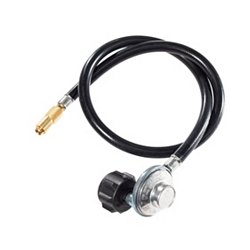
Explore our selection of 20lb propane tank hoses, designed for reliable and efficient connections to your propane appliances. These durable hoses come in various lengths to suit your needs, ensuring flexibility for any setup. Featuring high-quality materials and secure fittings, our hoses provide safe and leak-free operation for grilling, heating, and outdoor cooking. Whether you need a short or long hose, you’ll find the perfect solution to enhance your propane experience. Equip yourself with the right hose for optimal performance and convenience in all your outdoor activities.
A 20lb propane tank hose is used to connect a propane tank to various appliances, such as grills, heaters, and outdoor cooking equipment. This hose allows for the safe transfer of propane gas, ensuring a reliable fuel source for your outdoor activities. Many hoses are designed to accommodate different lengths and fittings, making them versatile for various setups. Properly connecting a propane tank with a hose is essential for efficient operation and convenience during use.
Common features of a propane tank hose include durable construction, often made from materials that can withstand high pressure and outdoor conditions. Many hoses are designed with compatibility in mind, featuring fittings that connect easily to various propane appliances and tanks. Additionally, they may come in different lengths to accommodate specific setups, allowing for flexibility in placement and use. Some hoses also include safety features, such as built-in shut-off valves, to enhance user convenience and safety.
To determine the right length of propane hose for your needs, consider the distance between your propane tank and the appliance you plan to connect. Measure the space to ensure you have enough length to reach without stretching or putting strain on the hose. Additionally, think about any potential obstacles or the layout of your setup that may require extra length for flexibility. It's often better to choose a slightly longer hose to accommodate any adjustments in positioning.
Propane tank hoses are typically constructed from durable materials designed to withstand high pressure and outdoor conditions. Common materials include rubber, which offers flexibility and resistance to wear, and thermoplastic, known for its lightweight and weather-resistant properties. Additionally, some hoses may feature reinforced layers to enhance strength and prevent kinking. These materials ensure safe and reliable connections between propane tanks and appliances.
Yes, there are different types of propane hoses designed for various applications. These hoses can vary in length, connection types, and materials, making them suitable for specific uses such as connecting appliances, grills, or heaters to propane tanks. It's important to choose a hose that matches the requirements of your equipment and the intended use to ensure proper functionality and safety.
To determine if a propane hose is compatible with your equipment, check the specifications of both the hose and your appliance. Look for details such as the hose's diameter, length, and connection type, ensuring they match your equipment's requirements. Additionally, verify that the hose is rated for the appropriate pressure and is designed for use with propane. Consulting the user manual of your equipment can also provide guidance on compatible hoses.
When selecting a propane tank hose, look for features that enhance safety and reliability. A durable construction, often made from high-quality materials, can help prevent leaks and withstand outdoor conditions. Additionally, hoses with built-in safety shut-off valves can provide an extra layer of protection by stopping the flow of gas in case of a malfunction. Ensure that the hose is compatible with your propane tank and appliances to maintain safe operation.
Yes, a propane tank hose can be used in cold weather conditions, but performance may vary based on the temperature. Propane can become less effective in extremely low temperatures, which may affect the flow of gas. It is advisable to ensure that the hose is properly insulated and to monitor the propane levels, as colder temperatures can impact the efficiency of the fuel. Always follow manufacturer guidelines for optimal use in varying weather conditions.
The average lifespan of a propane tank hose can vary based on usage and environmental conditions, but many hoses are designed to last several years with proper care. Regular inspections for wear, cracks, or leaks are important to ensure safety and functionality. If a hose shows signs of deterioration or has been in use for an extended period, it may be time to replace it. Always follow manufacturer guidelines for maintenance and replacement to ensure optimal performance.
When installing a propane tank hose, it is important to ensure that the hose is compatible with your propane tank and appliances. Check for any signs of wear or damage on the hose before installation, as this can affect performance and safety. Make sure to securely connect the hose to both the tank and the appliance, following the manufacturer's guidelines for proper installation. Additionally, ensure that the installation area is well-ventilated and free from any potential hazards.
Continue browsing