â
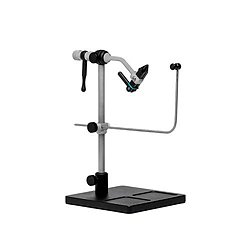
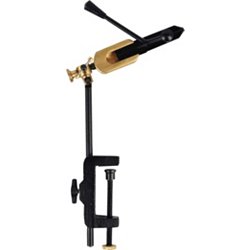
Explore a selection of fly tying vises designed to enhance your fly tying experience. These vises feature adjustable angles, secure hook-holding mechanisms, and easy attachment options for various workspaces. With options suitable for beginners to advanced tiers, you can find models that accommodate a wide range of hook sizes and styles. Many vises also offer rotary capabilities for added precision and efficiency, making them suitable for crafting everything from small trout flies to larger saltwater offerings.

$19.99
WAS: $21.99*
Perfect for beginners and intermediate ... I 'm very please with this product and love the affordable prices from perfect hatch without losing
When selecting a fly tying vise, consider features such as the type of jaws, adjustability, and the stability of the base. A good vise should securely hold hooks of various sizes and allow for easy rotation and angle adjustments. Additionally, look for materials that ensure durability and ease of use during your tying sessions.
Fly tying vises come in various styles, including rotary, fixed, and portable options. Rotary vises allow for easy rotation of the fly, making it simpler to tie materials evenly. Fixed vises are typically more stable for beginners, while portable vises are designed for on-the-go tying.
The right size of a fly tying vise depends on the types of flies you plan to tie and your workspace. Consider a vise that accommodates a range of hook sizes, from small trout flies to larger saltwater patterns. Additionally, ensure the vise's base fits comfortably on your tying surface.
Fly tying vises are often made from materials such as brass, stainless steel, and anodized aluminum. These materials provide strength and durability, ensuring that the vise can withstand the rigors of tying. Look for vises with high-quality finishes to enhance longevity and ease of use.
Yes, many fly tying vises are versatile enough to handle a variety of fly types, from small freshwater patterns to larger saltwater flies. When choosing a vise, check its hook size range to ensure it can accommodate the specific flies you intend to tie.
Comfort features in a fly tying vise may include adjustable height, ergonomic designs, and easy-to-use jaw mechanisms. A vise that allows for smooth rotation and easy access to the hook will make the tying process more enjoyable. Additionally, a stable base helps prevent fatigue during extended tying sessions.
Yes, there are fly tying vises specifically designed for beginners, focusing on simplicity and ease of use. These vises typically feature straightforward mechanisms, stable bases, and a range of hook size compatibility. A beginner-friendly vise can help new tiers build confidence as they learn the craft.
A stable base is crucial for a fly tying vise as it provides the necessary support during the tying process. A well-designed base prevents the vise from tipping or moving, allowing for more precise and controlled tying. This stability is especially important when working with intricate materials and techniques.
Continue browsing