â
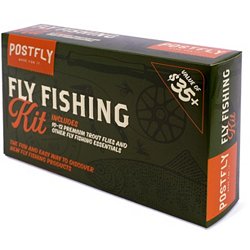
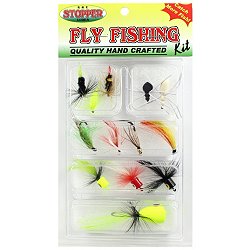
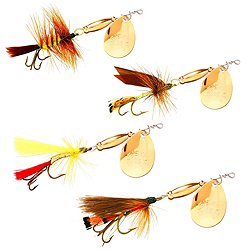
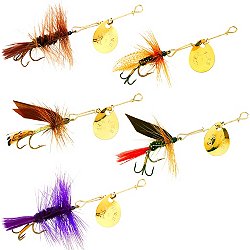
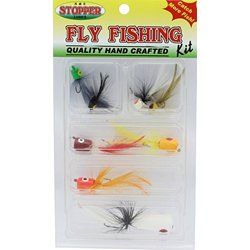
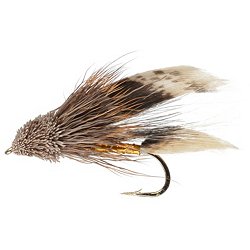
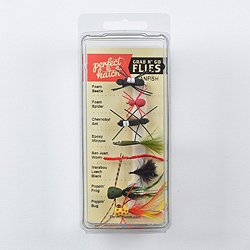
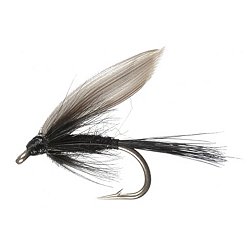
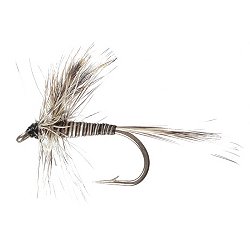
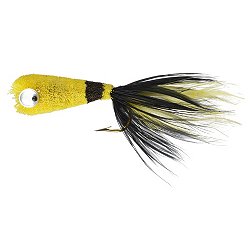
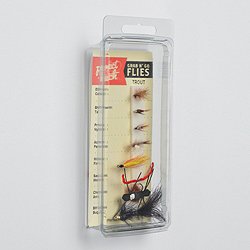
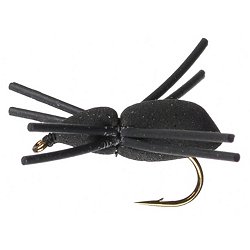
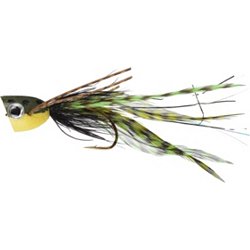
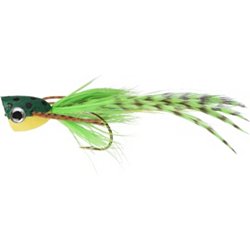
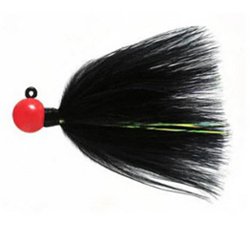
Explore our extensive collection of fishing tackle flies, designed to enhance your angling experience. Crafted for durability and effectiveness, these flies mimic natural bait to attract a variety of fish. Available in diverse patterns and sizes, our selection caters to both novice and seasoned anglers. Whether you're fly fishing in freshwater or saltwater, you'll find the perfect tackle flies to improve your catch rate. Equip yourself with high-quality options that ensure you’re ready for your next fishing adventure.
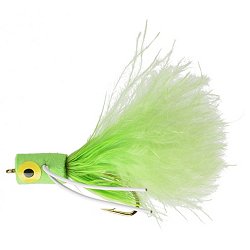
Fishing tackle flies are artificial lures designed to mimic the appearance and movement of insects or other prey that fish typically feed on. They are used in fly fishing, where anglers cast these lightweight flies to attract fish. The effectiveness of fishing flies depends on factors like the type of fish being targeted, water conditions, and the specific patterns of the flies.
Fishing tackle flies are typically made from a variety of materials, including feathers, fur, synthetic fibers, and thread. These materials are chosen for their ability to mimic the natural movement and appearance of aquatic insects or baitfish. The choice of materials can greatly affect the fly's durability and effectiveness in different fishing environments.
Choosing the right fishing tackle flies involves considering the type of fish you are targeting, the local aquatic life, and the specific conditions of the water. Researching which flies are effective in your fishing location and matching the hatch can improve your chances of success. Additionally, having a variety of flies in different sizes and colors can help you adapt to changing conditions.
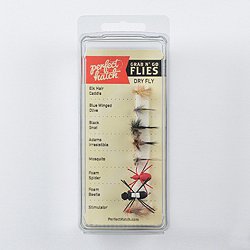
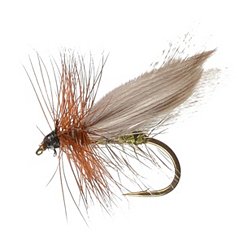
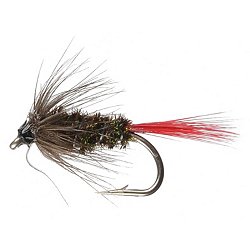
Fishing tackle flies come in various styles, including dry flies, wet flies, nymphs, and streamers, each designed for different fishing techniques and conditions. Dry flies float on the water's surface, while wet flies and nymphs sink below the surface. Streamers are typically larger and imitate baitfish, making them suitable for targeting larger species.
The performance of fishing tackle flies can vary significantly based on water conditions such as clarity, temperature, and flow. In clear water, more natural and subtle patterns may be effective, while murky water might require brighter or larger flies to attract fish. Understanding how these conditions affect fish behavior can help you select the most effective flies for your fishing experience.
When fly fishing in different seasons, it's important to consider the life cycles of aquatic insects, water temperature, and fish behavior. For example, spring often sees increased insect activity, making it a great time for dry flies, while summer may require heavier patterns to reach fish in deeper waters. Adapting your fly selection to seasonal changes can enhance your fishing success.
Continue browsing



 (42)
(42)