â
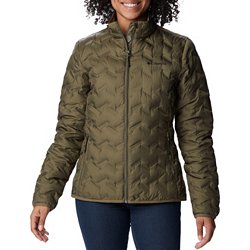
Stay warm and stylish with our collection of padded jackets, designed for ultimate comfort in cold weather. Featuring lightweight insulation and water-resistant materials, these jackets provide exceptional warmth without bulk. With options for both men and women, you'll find versatile styles perfect for outdoor adventures or everyday wear. The thoughtful designs include hoods for added protection and pockets for convenience. Embrace the chill with confidence, knowing you’re equipped with high-quality outerwear that combines functionality and fashion seamlessly.
When selecting a padded jacket, consider features such as insulation type, which can vary from synthetic materials to down, providing warmth in different conditions. Look for water-resistant or waterproof fabrics to help keep you dry in wet weather. Additionally, check for adjustable hoods, cuffs, and hems for a customizable fit, as well as pockets for convenience and storage. Breathability is also important, especially if you plan to wear the jacket during physical activities.
To choose the right size for a padded jacket, start by measuring your chest, waist, and hips to find your measurements. Compare these measurements to the sizing chart provided by the manufacturer, as sizes can vary between brands. Consider the fit you prefer; some may prefer a snug fit for layering, while others might opt for a looser style for added comfort. Additionally, check for features like adjustable cuffs and hems, which can enhance the fit and comfort of the jacket.
Padded jackets typically use a variety of materials for insulation, with synthetic fibers and down being the most common. Synthetic insulation is often lightweight, water-resistant, and quick-drying, making it suitable for various weather conditions. Down insulation, derived from the soft feathers of ducks or geese, provides excellent warmth-to-weight ratio and compressibility. Many jackets may also feature a combination of these materials to enhance performance and comfort.
Padded jackets are versatile and can be suitable for both casual and outdoor activities. They provide warmth and comfort, making them ideal for everyday wear as well as for outdoor adventures in cooler weather. Many styles are designed with features that enhance mobility and breathability, allowing for ease of movement during various activities. Whether you're running errands or hiking in the mountains, a padded jacket can be a practical choice.
Down insulation is made from the soft feathers of ducks or geese, providing excellent warmth-to-weight ratio and compressibility, making it ideal for cold, dry conditions. Synthetic insulation, on the other hand, is typically made from polyester fibers and offers better performance in wet conditions, as it retains warmth even when damp. While down is often lighter and more packable, synthetic options are generally more affordable and easier to care for. The choice between the two depends on the intended use and environmental conditions.
Padded jackets are designed to provide insulation and warmth, making them suitable for cold weather. Many of these jackets feature water-resistant or waterproof materials that help keep you dry in wet or snowy conditions. However, the level of water resistance can vary, so it's important to check the specific features of the jacket. Additionally, some padded jackets may have insulation that retains warmth even when damp, enhancing their performance in challenging weather.
Wearing a padded jacket during winter sports offers several advantages. These jackets provide insulation to help retain body heat, keeping you warm in cold conditions. They are often designed with lightweight materials that allow for ease of movement, which is essential for activities like skiing or snowboarding. Additionally, many padded jackets feature water-resistant or windproof properties, helping to protect against the elements while you enjoy outdoor activities.
Yes, padded jackets can be layered with other clothing to enhance warmth and comfort. They are designed to provide insulation, making them an excellent choice for wearing over base layers or under heavier outerwear. When layering, consider the fit of each piece to ensure ease of movement and to avoid bulkiness. This approach allows for versatility in varying weather conditions while maintaining a stylish look.
When selecting a padded jacket for travel, consider the weight and packability of the jacket, as lightweight options are easier to carry and store in your luggage. Look for features such as water resistance and insulation type to ensure warmth and protection from the elements. Additionally, consider the fit and style to ensure comfort and versatility for various activities during your trip. Finally, check for pockets and other functional details that can enhance convenience while traveling.
To determine the warmth level of a padded jacket, consider the insulation type and fill power, which indicate how well the jacket traps heat. Look for features such as a hood, adjustable cuffs, and a longer length, as these can enhance warmth by providing better coverage and reducing heat loss. Additionally, the outer material's wind and water resistance can impact overall warmth, especially in cold and wet conditions. Checking the jacket's temperature rating, if available, can also help gauge its suitability for different weather scenarios.
Continue browsing



 (4)