â
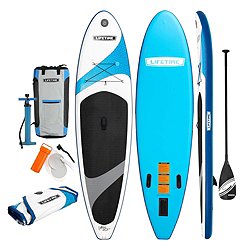
Our Cressi Paddle Boards sold out quickly! Explore similar styles now!
When selecting a paddle board, consider factors such as size, weight capacity, and stability. Look for features like a non-slip surface for better grip, built-in handles for easy transport, and storage options for gear. Additionally, the material used can affect durability and performance on the water.
Paddle boards are versatile and can be used for various activities including recreational paddling, yoga, fishing, and touring. They are suitable for calm lakes, rivers, and even ocean waves, making them a great choice for both relaxation and adventure. Depending on your interest, you can choose a board that is tailored for specific activities.
Choosing the right size paddle board depends on your weight, height, and intended use. Generally, longer boards offer better speed and tracking, while wider boards provide more stability, making them ideal for beginners. It's important to match the board size to your skill level and the type of water conditions you plan to navigate.
Paddle boards are typically made from materials such as inflatable PVC, epoxy, or fiberglass. Inflatable boards are lightweight and easy to transport, while hard boards made from epoxy or fiberglass offer durability and performance. Each material has its own advantages, so consider your usage and storage options when making a choice.
To maintain your paddle board, rinse it with fresh water after each use to remove salt or dirt, and store it in a cool, dry place away from direct sunlight. If it's an inflatable board, ensure it is fully deflated before storage to prevent damage. Regularly check for any signs of wear or damage to keep it in optimal condition.
Inflatable paddle boards are lightweight, portable, and easy to store, making them ideal for travel. They offer good stability and are often more forgiving in rough waters. Hard paddle boards, on the other hand, provide better performance and speed, making them suitable for more experienced paddlers. Your choice should depend on your skill level and how you plan to use the board.
Continue browsing