â
Explore our comprehensive selection of fly tying equipment, designed for both beginners and seasoned anglers. Our range includes high-quality tools, materials, and accessories to help you create the perfect flies for any fishing adventure. With durable construction and user-friendly designs, our equipment ensures precision and ease in every tie. Whether you're crafting intricate patterns or simple designs, you'll find everything you need to enhance your fly tying experience. Elevate your fishing game with reliable gear that supports your creativity on the water.
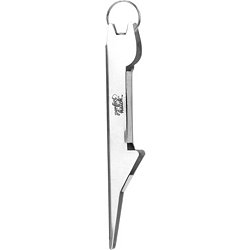
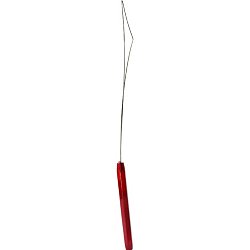
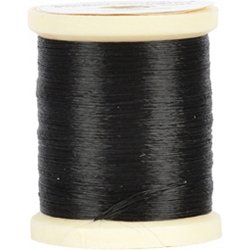
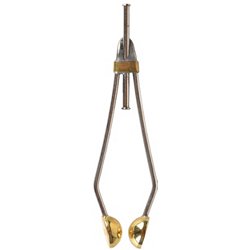
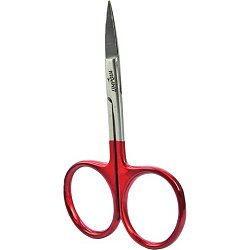
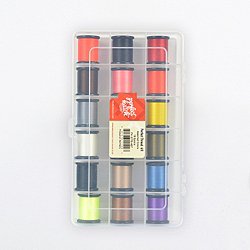
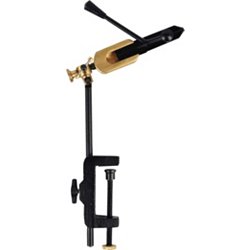
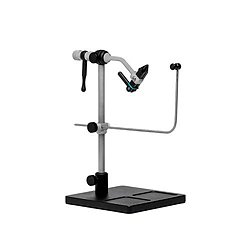
For beginners, essential fly tying equipment typically includes a fly tying vise, scissors, and a selection of hooks. Additionally, having a variety of threads and materials for creating different fly patterns is important. As you progress, you may want to invest in specialized tools like bobbins and whip finishers.
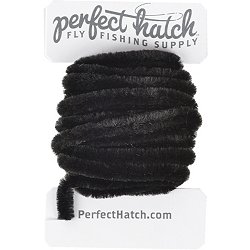
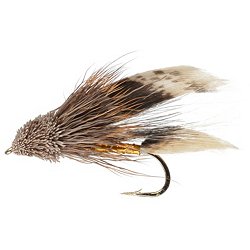
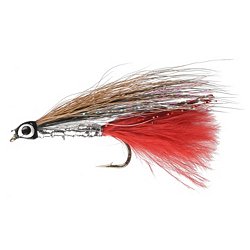
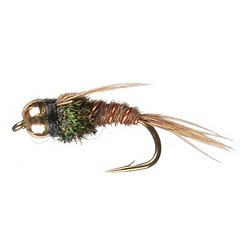
Common materials used in fly tying include feathers, fur, synthetic fibers, and various types of threads. Each material serves a different purpose, such as mimicking the appearance of insects or creating specific textures. Understanding the properties of these materials can help you create more effective flies.
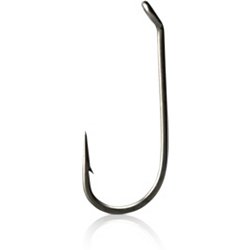
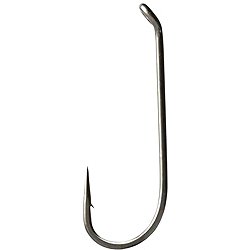
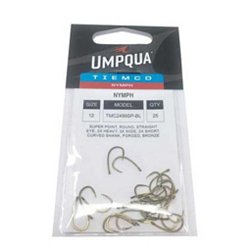
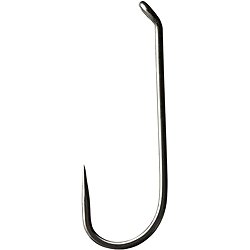
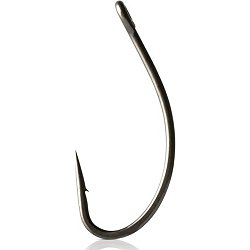
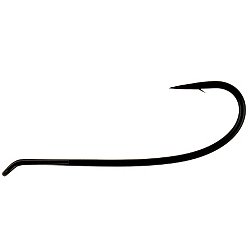
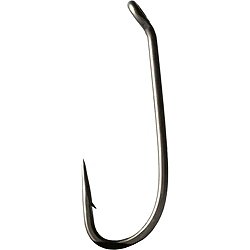
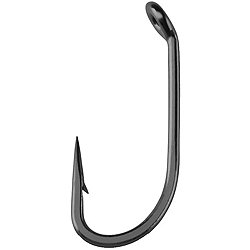
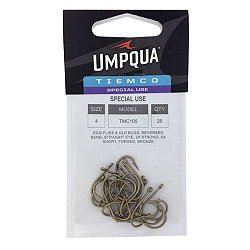
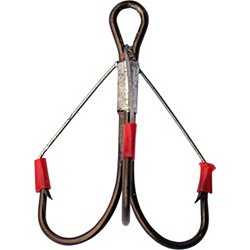
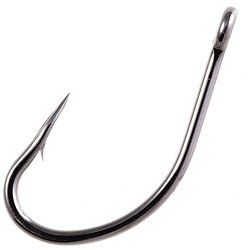
The choice of hook can significantly impact fly performance, as different hooks are designed for various types of flies and fishing conditions. Factors such as hook size, shape, and strength can influence how well a fly sinks or floats in the water. Selecting the right hook is crucial for effective fishing.
Using quality tools in fly tying is important for achieving precision and consistency in your flies. High-quality scissors, vises, and other tools can make the tying process easier and more enjoyable. Investing in reliable tools can also enhance the durability and effectiveness of the flies you create.
Yes, fly tying equipment can be used for various types of fishing, including freshwater and saltwater fishing. The versatility of fly tying allows anglers to create flies that target different species and adapt to various fishing environments. Understanding the specific needs of your target fish can help you select the right materials and techniques.
Common techniques in fly tying include wrapping materials around the hook, creating body segments, and adding wings or tails. Techniques such as dubbing and palmering can add texture and movement to the fly. Mastering these techniques can enhance your ability to create effective and visually appealing flies.
Continue browsing



 (10)
(10)