â
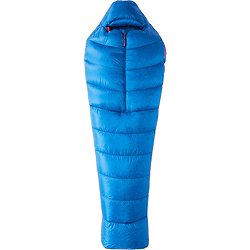
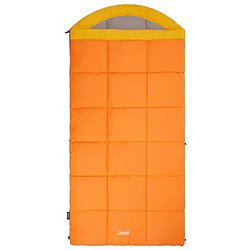
Discover the ultimate lightweight sleeping bag for backpacking, designed for adventurers who prioritize comfort and portability. These sleeping bags feature high-quality insulation to keep you warm without adding unnecessary weight to your pack. With compact designs and durable materials, they are perfect for any outdoor excursion. Enjoy features like water resistance and breathable fabrics, ensuring a restful night's sleep under the stars. Whether you're hiking, camping, or backpacking, our selection offers the perfect blend of warmth and convenience for your next adventure.
When choosing a lightweight sleeping bag for backpacking, consider factors such as insulation type, weight, and packability. Down insulation typically offers a higher warmth-to-weight ratio, while synthetic materials can provide better moisture resistance. Additionally, look for features like a draft collar, hood, and zipper design to enhance comfort and warmth.
The temperature rating of a sleeping bag indicates the lowest temperature at which it can keep you warm. For backpacking, it's essential to choose a bag that matches the expected conditions of your trip. Consider the season and climate, and if you tend to get cold easily, opt for a bag with a lower temperature rating for added warmth.
Lightweight sleeping bags are designed to minimize bulk and weight, making them ideal for backpacking. They allow for easier packing and carrying, which is crucial when you're on the move. Additionally, many lightweight options provide excellent insulation, ensuring you stay warm without the added weight of heavier bags.
Yes, lightweight sleeping bags can be versatile enough for various camping styles, including backpacking, car camping, and even summer camping trips. However, it's important to consider the temperature and conditions of your specific camping environment to ensure the bag meets your needs. For colder climates, you may need additional layers or a bag with a lower temperature rating.
To pack a lightweight sleeping bag for backpacking, start by using a compression sack to minimize its size. Roll the bag tightly to expel air and reduce bulk, then secure it in your pack where it won’t be crushed. Always ensure the bag is dry before packing to prevent moisture buildup, which can affect insulation performance.
Continue browsing



 (2)
(2)