â
Explore our premium selection of lobster trap line, designed for durability and strength to withstand the rigors of marine environments. Crafted from high-quality materials, our lines offer excellent resistance to abrasion, UV rays, and saltwater, ensuring long-lasting performance. Available in various thicknesses and lengths, these lines provide the perfect balance of flexibility and toughness for all your trapping needs. Whether you're a seasoned fisherman or a novice, our lobster trap line will help you secure your catch with confidence and ease. Upgrade your gear today for a successful lobster season!
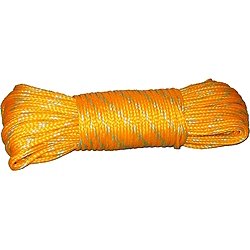
Lobster trap line is a specialized type of rope designed for use in commercial and recreational lobster trapping. It is used to connect lobster traps to buoys, allowing for easy retrieval and management of traps in the water. The line is typically durable and resistant to wear from saltwater and marine environments.
Lobster trap line is often made from synthetic materials such as polypropylene or nylon, which provide strength and resistance to abrasion. These materials are chosen for their ability to withstand harsh marine conditions, including exposure to saltwater and UV rays. The choice of material can affect the line's buoyancy, flexibility, and overall durability.
When selecting lobster trap line, consider factors such as the weight capacity, length, and material. The line should be strong enough to hold the traps securely and withstand the forces of tides and currents. Additionally, think about the specific conditions in which you will be using the line, such as water depth and potential entanglement with other gear.
Lobster trap line can vary in thickness, length, and material composition. Some lines are designed for specific types of traps or fishing conditions, while others may offer features like added visibility or buoyancy. Understanding the different types available can help you select the most suitable line for your lobster trapping activities.
The thickness of lobster trap line can significantly impact its strength and durability. Thicker lines tend to be more robust and resistant to abrasion, making them suitable for harsher conditions. However, they may also be heavier and less flexible, which can affect how they perform in the water and how easily they can be handled.
Continue browsing