â
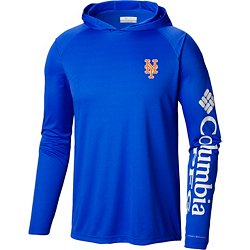
Our Mets Rain Jackets sold out quickly! Explore similar styles now!
When choosing a rain jacket, consider features such as waterproofing, breathability, and insulation. Look for jackets with sealed seams and durable water repellent (DWR) finishes to ensure maximum protection from the elements. Additionally, adjustable hoods and cuffs can enhance comfort and fit, while ventilation options help manage moisture and temperature.
Rain jackets are typically made from materials like nylon, polyester, or a combination of both, often treated with waterproof coatings. Some jackets may also incorporate advanced fabrics that offer breathability and moisture-wicking properties. Understanding the material can help you choose a jacket that balances comfort and protection.
Yes, rain jackets can be suitable for a variety of outdoor activities, including hiking, camping, and casual wear. However, the level of protection and comfort may vary based on the design and features of the jacket. It's important to select a jacket that aligns with the specific demands of your activity, such as mobility and weather conditions.
To find the right size for a rain jacket, consult the sizing chart provided by the retailer, which typically includes measurements for chest, waist, and hips. It's also helpful to consider the intended use; if you plan to layer underneath, you may want to choose a size that accommodates additional clothing. Trying on the jacket, if possible, can ensure a proper fit.
Lightweight rain jackets are designed for portability and are ideal for light rain or as a packable option for travel. Heavy-duty rain jackets, on the other hand, offer more robust protection and insulation, making them suitable for harsher weather conditions. Your choice should depend on the climate and activities you plan to engage in.
Continue browsing