â
Our Olicamp Stoves sold out quickly! Explore similar styles now!
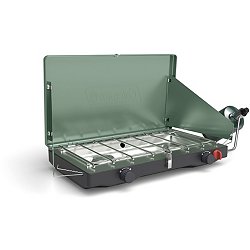
When considering an Olicamp stove, it's important to look for features such as weight, fuel efficiency, and ease of setup. Many models offer adjustable flame control for precise cooking, while others may include integrated ignition systems for convenience. Additionally, consider the stove's compatibility with various fuel types and its overall durability for outdoor use.
Olicamp stoves are versatile and can accommodate a range of cooking styles, from boiling water for instant meals to simmering sauces. They are particularly well-suited for camping and backpacking, where lightweight and portable cooking solutions are essential. Depending on the model, you may also find features that allow for grilling or frying.
Olicamp stoves are designed to perform well in various weather conditions, but performance can vary based on the specific model and fuel type used. Wind and cold temperatures can affect efficiency, so it's beneficial to choose a stove with wind protection features or to use a windscreen. Additionally, some models are optimized for cold weather use, ensuring reliable performance even in challenging environments.
Olicamp stoves are typically made from lightweight materials such as aluminum or stainless steel, which contribute to their portability and durability. The choice of material can impact heat retention and distribution, with some materials providing better performance for specific cooking tasks. It's important to consider the material's resistance to corrosion and wear, especially for outdoor use.
When selecting fuel for an Olicamp stove, consider the type of fuel the stove is designed to use, such as canister gas, liquid fuel, or solid fuel options. Fuel availability can vary by location, so it's wise to choose a stove that aligns with your travel plans. Additionally, think about the efficiency of the fuel type in terms of burn time and heat output, as this can affect your cooking experience.
Continue browsing