â
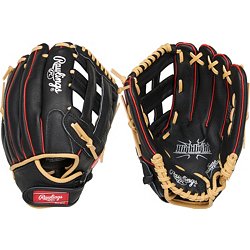
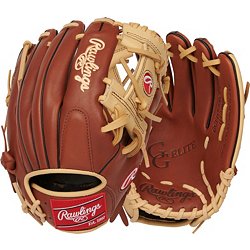
Discover the perfect fit for young athletes with our selection of 11.5-inch youth baseball gloves. Designed for optimal performance, these gloves feature lightweight materials and flexible construction, ensuring comfort and ease of use on the field. With a focus on durability and grip, they help young players improve their catching skills while providing a secure fit. Ideal for both practice and games, these gloves are crafted to enhance every player's experience, making them a must-have for aspiring baseball stars. Equip your young athlete with the confidence to play their best!
For youth baseball players, the ideal glove size typically ranges from 10 to 12 inches, depending on the player's age and hand size. A glove around 11.5 inches is often a popular choice as it provides a good balance of control and catching ability. It's important for young players to try on different sizes to find the most comfortable fit that allows for easy movement and handling of the ball. Ultimately, the right size can enhance their performance and enjoyment of the game.
When selecting a youth baseball glove, consider the size and fit to ensure it is comfortable for the player's hand. Look for gloves made from durable materials that can withstand regular use while providing a good feel for the ball. Additionally, features such as a flexible design and a lightweight construction can enhance performance and ease of use. Finally, consider the pocket depth and webbing style, as these can affect how well the glove catches and holds the ball.
To determine the right fit for a youth baseball glove, consider the player's age, hand size, and position on the field. Youth gloves typically range in size from 10 to 12 inches, with smaller sizes suitable for younger players and larger sizes for those who are more experienced. It's important to try on the glove to ensure it feels comfortable and allows for easy movement and closure. Additionally, look for gloves designed specifically for the player's position, as this can enhance performance and comfort.
Youth baseball gloves are typically made from a variety of materials designed to balance durability and comfort. Common materials include leather, which offers a traditional feel and longevity, and synthetic materials that provide lightweight options and easier break-in periods. Many gloves also feature padding for added comfort and protection, ensuring young players can handle the rigors of the game. The choice of material can affect the glove's performance, fit, and overall feel during play.
Yes, there are different styles of youth baseball gloves designed for various positions on the field. Each position has specific requirements, such as pocket depth and glove length, to enhance performance. For example, infield gloves tend to be smaller and have a shallower pocket for quick ball transfers, while outfield gloves are larger with deeper pockets to help catch fly balls. Catcher's mitts are also uniquely designed to provide extra padding and a closed webbing for better ball control.
To determine if a youth baseball glove is durable, consider the materials used in its construction. High-quality leather or synthetic materials often indicate better durability, as they can withstand regular use and various weather conditions. Additionally, check for reinforced stitching and a solid build, as these features contribute to the glove's longevity. Finally, read reviews or seek recommendations to gauge how well the glove holds up over time with active play.
The typical break-in period for a youth baseball glove can vary, but it generally takes several weeks of regular use to achieve optimal flexibility and comfort. During this time, players should practice catching and throwing with the glove to help soften the leather and shape it to their hand. Some gloves may come partially broken in, which can reduce the time needed for full break-in. Proper care and conditioning can also aid in the process.
Youth baseball gloves designed for specific age groups offer several advantages that enhance a player's experience and performance. These gloves are typically lighter and smaller, making them easier for young players to handle and catch the ball effectively. Additionally, they are crafted with materials that provide a good balance of durability and flexibility, allowing for better grip and control. Tailoring the glove to the player's age and skill level helps foster confidence and encourages skill development on the field.
When choosing a youth baseball glove, consider your child's skill level and position. Beginners may benefit from gloves that are lightweight and easy to close, while more experienced players might prefer gloves with a deeper pocket for better ball control. Additionally, the size of the glove should match your child's hand size and age, ensuring comfort and ease of use. It's also helpful to involve your child in the selection process to find a glove that they feel confident using.
When selecting a youth baseball glove for different weather conditions, consider the material and construction of the glove. Leather gloves tend to perform well in various conditions but may require more maintenance in wet weather. Synthetic gloves can be more water-resistant and lightweight, making them suitable for humid or rainy days. Additionally, ensure the glove has a good fit and flexibility to accommodate changes in temperature and moisture levels, which can affect performance and comfort.
Continue browsing