â
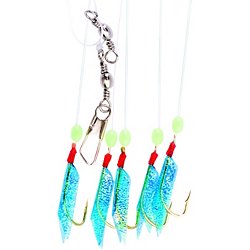
Explore our premium selection of salmon fishing rigs, designed to enhance your fishing experience. Each rig features durable materials and expertly crafted components to ensure optimal performance in various water conditions. With user-friendly designs, these rigs are perfect for both seasoned anglers and beginners alike. Whether you're targeting salmon in rivers or coastal waters, our rigs provide the reliability and effectiveness you need for a successful catch. Equip yourself with the right tools and make your next fishing trip memorable with our top-quality salmon fishing rigs.
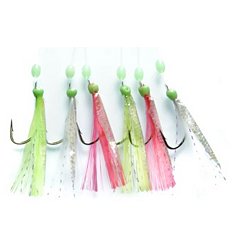
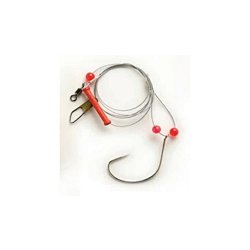
A salmon fishing rig is a specialized setup designed to effectively catch salmon by combining various components such as hooks, weights, and lures. These rigs are engineered to mimic the natural movement of prey, attracting salmon in their feeding zones. Understanding how different rigs function can help anglers select the right one for their fishing conditions and techniques.
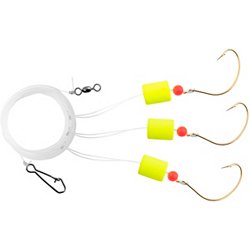
There are several types of salmon fishing rigs, each tailored for specific fishing environments and techniques. Common types include bottom rigs, float rigs, and trolling rigs, which can vary in complexity and design. Choosing the right type depends on factors like water depth, current conditions, and the specific salmon species being targeted.
Salmon fishing rigs are typically made from durable materials that can withstand the rigors of fishing in various environments. Common materials include high-strength monofilament or braided lines, corrosion-resistant hooks, and sturdy weights. The choice of materials can significantly impact the rig's performance and longevity.
The best time to use a salmon fishing rig often depends on the salmon species and their seasonal migration patterns. Generally, early morning and late evening are prime times for salmon fishing, especially during their spawning runs. Additionally, understanding local conditions, such as water temperature and weather patterns, can enhance your chances of success.
Choosing the right salmon fishing rig involves considering factors such as the type of salmon you are targeting, the fishing environment, and your preferred fishing method. It's important to assess the depth of the water, current strength, and whether you will be fishing from a boat or shore. Researching local fishing reports and seeking advice from experienced anglers can also guide your decision.
Continue browsing


 (17)
(17)