â
Master your fishing game with our comprehensive selection of fishing line rigging essentials. Designed for durability and performance, our rigging products ensure reliable connections and optimal bait presentation. Explore a variety of lines, leaders, and accessories that cater to all fishing styles, from freshwater to saltwater. With easy-to-use options and innovative designs, you can enhance your setup for a successful catch every time. Equip yourself with the right fishing line rigging tools and experience the difference in your fishing adventures.
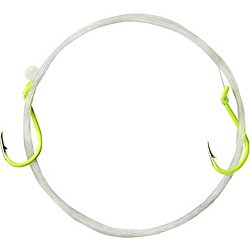
Fishing line rigging refers to the process of setting up your fishing line with the appropriate components to effectively catch fish. This includes attaching hooks, weights, and other tackle to the line in a way that maximizes your chances of a successful catch. Proper rigging is crucial as it can affect the presentation of your bait, the depth at which you fish, and the overall effectiveness of your fishing strategy.
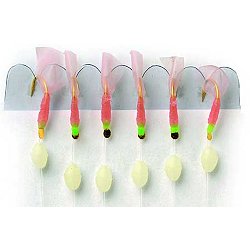
There are various types of rigs used in fishing line rigging, each designed for specific fishing techniques and target species. Common types include bottom rigs, float rigs, and trolling rigs, among others. Each rig serves a unique purpose, allowing anglers to adapt to different fishing conditions and environments.
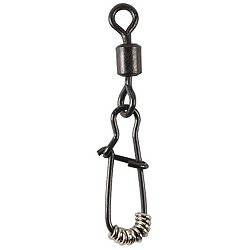
Fishing line rigging often utilizes a variety of materials to enhance performance and durability. Common materials include monofilament, fluorocarbon, and braided lines, each offering distinct advantages in terms of visibility, strength, and sensitivity. Additionally, hooks and weights may be made from stainless steel, lead, or other corrosion-resistant materials to withstand harsh aquatic environments.
The choice of rig can significantly impact your fishing success by influencing how bait is presented to fish. Different rigs can be tailored to mimic natural prey or adapt to specific fishing conditions, such as water depth and current. Understanding the behavior of your target species and the environment can help you select the most effective rig for your fishing trip.
Yes, different types of fish often require specific rigging techniques to optimize your chances of catching them. For example, species that feed near the bottom may benefit from bottom rigs, while those that feed at various depths might require float rigs. Tailoring your rigging technique to the feeding habits and habitats of your target species can lead to more successful fishing outings.
Continue browsing



 (22)
(22)