â
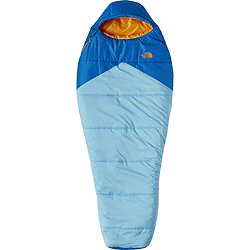
Experience the perfect blend of comfort and warmth with our selection of sleeping bags rated for 30°F. Designed for outdoor enthusiasts, these sleeping bags feature lightweight materials and efficient insulation to keep you cozy during cool nights. With options ranging from mummy to rectangular shapes, you can choose the style that best suits your camping needs. Each bag is crafted for easy packing and portability, ensuring you can enjoy your adventures without sacrificing comfort. Get ready for your next outdoor excursion with reliable sleeping solutions that enhance your camping experience.
A sleeping bag designed for comfort at 30 degrees is typically suitable for use in temperatures ranging from around 30 to 40 degrees Fahrenheit. This range allows for a comfortable night's sleep while providing adequate insulation against cooler conditions. It's important to consider factors such as humidity, wind, and personal comfort preferences, as these can affect how warm or cool you feel inside the bag. Many users find that layering clothing or using additional blankets can enhance comfort in varying temperatures.
When selecting a sleeping bag for comfort at 30 degrees, consider the insulation type, as down and synthetic materials offer different benefits in terms of warmth and weight. Look for a design that provides adequate space for movement, such as a mummy or rectangular shape, depending on your preference. Additionally, features like draft collars, adjustable hoods, and zippers that allow for ventilation can enhance comfort during varying temperatures. Finally, pay attention to the bag's weight and packability if you plan to carry it on outdoor adventures.
The shape of a sleeping bag can significantly influence comfort levels at 30 degrees. Mummy-shaped sleeping bags are designed to fit closely around the body, which helps retain heat and reduce cold spots, making them ideal for colder temperatures. In contrast, rectangular sleeping bags offer more room to move, which can enhance comfort for those who prefer a looser fit, but may not be as efficient in heat retention. Ultimately, the choice between shapes depends on personal preference and sleeping style.
For sleeping bags designed for comfort in 30-degree weather, materials that offer good insulation and breathability are essential. Synthetic fills, such as polyester, are often used for their moisture-wicking properties and durability, while down insulation provides excellent warmth-to-weight ratios and compressibility. Additionally, a water-resistant outer shell can help protect against moisture and enhance overall comfort during outdoor use. Look for sleeping bags with a soft lining for added coziness and a snug fit to retain heat effectively.
Yes, certain sleeping bag styles are designed to enhance comfort during 30-degree camping trips. Mummy sleeping bags typically provide a snug fit that retains heat effectively, making them suitable for cooler temperatures. Rectangular sleeping bags offer more room to move around, which can be more comfortable for those who prefer extra space. Additionally, sleeping bags with insulation materials like down or synthetic fill can help maintain warmth while providing a cozy sleeping experience.
To determine the right size sleeping bag for comfort at 30 degrees, consider your height and the bag's dimensions. Look for a sleeping bag that provides enough room to move comfortably while still retaining warmth. Mummy-style bags typically offer a snug fit for better heat retention, while rectangular bags provide more space. Additionally, check the bag's insulation type and design features, as these can affect overall comfort and warmth at lower temperatures.
Sleeping bags rated for 30 degrees typically use either synthetic or down insulation. Synthetic insulation is often more affordable, dries quickly, and retains warmth even when wet, making it a practical choice for damp conditions. Down insulation, on the other hand, is lightweight and compressible, providing excellent warmth-to-weight ratios, but it can lose its insulating properties when wet unless treated with water-resistant coatings. Each type has its advantages, so the choice depends on your specific needs and the conditions in which you plan to use the sleeping bag.
The weight of a sleeping bag can influence its comfort at 30 degrees by affecting portability and insulation. Lighter sleeping bags are often made with advanced materials that provide warmth without bulk, making them easier to carry on outdoor adventures. However, heavier sleeping bags may offer additional insulation and durability, which can enhance comfort during colder nights. Ultimately, the right balance between weight and insulation is key to ensuring a comfortable sleeping experience in cooler temperatures.
When selecting a sleeping bag for comfort in cooler temperatures, consider the insulation type, as synthetic materials tend to retain warmth even when damp, while down insulation offers excellent warmth-to-weight ratios. The bag's shape is also important; mummy bags provide better heat retention due to their snug fit, while rectangular bags offer more room to move. Additionally, look for features like draft collars and hoods, which help trap heat, and check the temperature rating to ensure it aligns with your expected conditions. Finally, consider the weight and packability if you plan to carry the bag on outdoor adventures.
Continue browsing



 (4)