â
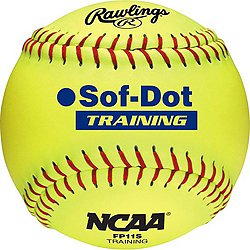
Gear up for the season with our premium selection of softball league balls, designed for both slowpitch and fastpitch play. Each ball features durable construction and optimal performance, ensuring consistent play on the field. With options available in various sizes, including 11" and 12", you can find the perfect fit for your league requirements. Engineered for superior grip and control, these balls are ideal for players of all skill levels. Elevate your game and enjoy every pitch with our reliable softball league balls.
The primary difference between slowpitch and fastpitch softball league balls lies in their construction and intended use. Slowpitch softballs are typically larger and have a softer core, designed for a slower pitch speed and a more leisurely game. In contrast, fastpitch softballs are smaller and have a firmer core, allowing for higher speeds and a more competitive play style. Additionally, the stitching and seam design may vary to accommodate the different pitching techniques used in each game format.
Softball league balls are typically constructed using a core made of rubber or polyurethane, which provides the necessary bounce and durability. The outer cover is often made from synthetic leather or a composite material, designed to withstand the wear and tear of regular play. Many balls also feature stitching that enhances their durability and performance on the field. These materials work together to create a ball that meets the specific requirements of league play.
Choosing the right size softball league ball for your team primarily depends on the league's regulations and the type of play. Most leagues specify either a 12-inch or 11-inch ball, with the 12-inch ball commonly used in slowpitch games and the 11-inch ball typically used in fastpitch games. It's important to check the league rules to ensure compliance, as using the correct size can impact gameplay and performance. Additionally, consider the skill level and age group of the players, as this may influence the choice of ball size.
When selecting a quality softball league ball, consider the size and type of the ball, as different leagues may have specific requirements. Look for durable materials that can withstand regular play, such as synthetic covers or high-quality leather. Additionally, pay attention to the ball's construction, including the stitching and core, as these factors can affect performance and longevity. Finally, ensure the ball meets the official specifications set by the league to ensure compliance during games.
Yes, there are specific softball league balls designed for various age groups and skill levels. Different leagues may require balls of varying sizes, such as 11-inch or 12-inch, depending on the age and skill level of the players. Additionally, some balls are tailored for slowpitch or fastpitch play, ensuring that they meet the unique demands of each game format. It's important to check league regulations to ensure compliance with the required specifications.
The performance of a softball league ball can vary between different brands due to differences in construction, materials, and design features. Factors such as the core composition, cover material, and seam type can influence how the ball behaves during play, including its durability, flight characteristics, and grip. Additionally, some brands may cater to specific league regulations or player preferences, which can further affect performance. Players often choose balls based on their playing style and the specific requirements of their league.
When selecting a softball league ball for competitive play, consider the size and type of ball required by your league, as different leagues may have specific regulations regarding dimensions and materials. Additionally, evaluate the ball's construction, such as the core and cover materials, which can affect performance and durability. It's also important to check the league's approval standards to ensure the ball meets all necessary specifications for play. Lastly, consider the playing conditions, as some balls are designed for specific environments, such as indoor or outdoor use.
Weather conditions can have a significant impact on the performance of softball league balls. For instance, high humidity can make the balls heavier and affect their flight, while cold temperatures may cause the balls to become stiffer, impacting their bounce and distance. Additionally, wet conditions can lead to reduced grip and control, making it more challenging for players to handle the ball effectively. Understanding these factors can help players and teams adjust their strategies during games in varying weather conditions.
The typical lifespan of a softball league ball can vary based on usage, conditions, and the level of play. Generally, a ball may last for several games or practices before it shows signs of wear, such as loss of compression, visible damage, or changes in performance. It is advisable to replace the ball when it no longer meets league standards or when players notice a decline in its performance during play. Regularly inspecting the ball for any signs of wear can help determine the right time for replacement.
Continue browsing