â
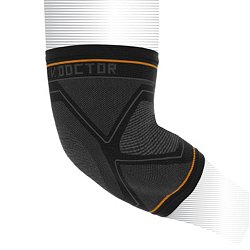
Protect and support your game with our selection of tennis arm braces. Designed to alleviate discomfort and enhance performance, these braces offer targeted compression and stability for your elbow. With adjustable straps and breathable materials, they ensure a comfortable fit during intense matches or practice sessions. Whether you're recovering from an injury or looking to prevent one, our tennis arm braces provide the support you need to play your best. Stay focused on your game while minimizing the risk of strain and injury with these essential accessories.
A tennis arm brace is a supportive device designed to alleviate discomfort in the elbow area, often associated with activities like tennis or other racquet sports. It typically features materials that provide compression and stability, helping to reduce strain on the muscles and tendons during movement. By applying pressure to the forearm and elbow, these braces can help distribute forces more evenly, potentially enhancing comfort and performance while playing.
A tennis arm brace can benefit individuals who experience discomfort or strain in their elbow during or after playing tennis or engaging in similar activities. It is designed to provide support and stability, which may help those who participate in repetitive arm movements. Many athletes, recreational players, and even those with a history of elbow issues may find these braces helpful in enhancing their performance and comfort on the court. Additionally, they can be useful for anyone looking to reduce the impact of stress on the elbow joint during physical activities.
When selecting a tennis arm brace, consider features such as adjustable straps for a customized fit, which can enhance comfort and support during play. Look for materials that provide breathability and moisture-wicking properties to keep the arm dry. Additionally, consider braces with targeted compression or padding to help alleviate discomfort and provide stability to the elbow joint. A lightweight design can also contribute to ease of movement while playing.
To determine the right size for a tennis arm brace, measure the circumference of your forearm just below the elbow. Most braces come with a sizing chart that correlates measurements to specific sizes, so be sure to consult that for accurate fitting. Additionally, consider the type of support you need, as some braces may have adjustable features for a more customized fit. It's important to choose a size that provides comfort while ensuring adequate support during play.
Yes, there are different types of tennis arm braces designed to address various conditions related to elbow discomfort. Some braces focus on providing compression and support to alleviate strain, while others may feature gel inserts or adjustable straps for targeted relief. Additionally, certain styles are specifically designed for conditions like tennis elbow, offering varying levels of support and flexibility to accommodate different needs. Choosing the right type of brace can help enhance comfort and performance during play.
Tennis arm braces are typically made from a combination of materials designed for comfort and support. Common materials include neoprene, which provides flexibility and warmth, and elastic fabrics that allow for a snug fit without restricting movement. Some braces may also incorporate gel pads for added cushioning and shock absorption, while breathable mesh panels are often used to enhance ventilation during play.
A tennis arm brace can provide support to the elbow and forearm, helping to stabilize the joint during play. By reducing strain on the muscles and tendons, it may assist in minimizing the risk of overuse injuries commonly associated with repetitive motions in tennis. Additionally, the brace can promote proper alignment and technique, which can further contribute to injury prevention. Many players find that wearing a brace allows them to focus on their game while feeling more secure in their movements.
Yes, a tennis arm brace can be used for various activities beyond tennis. These braces are designed to provide support and stability to the elbow, making them suitable for other racquet sports, golf, and even daily activities that may strain the arm. Many individuals find them helpful for managing discomfort during activities that involve repetitive arm movements. Always consider your specific needs and consult with a professional if unsure about usage.
When selecting a tennis arm brace for comfort, consider the fit and adjustability to ensure it conforms well to your arm without being too tight. Look for materials that offer breathability and moisture-wicking properties to keep you comfortable during play. Additionally, consider the level of support provided, as some braces offer varying degrees of compression and stability, which can affect overall comfort. Finally, think about the design and weight of the brace, as a lightweight option may enhance your mobility on the court.
To determine the right level of support needed from a tennis arm brace, consider the specific condition or discomfort you are experiencing. If you have mild soreness or fatigue, a lighter support option may be sufficient. For more significant pain or instability, a brace with additional compression and support features may be more appropriate. It's also helpful to assess the fit and comfort of the brace, ensuring it allows for a full range of motion while providing the necessary support.
Continue browsing