â
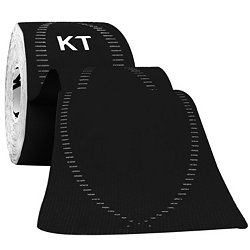
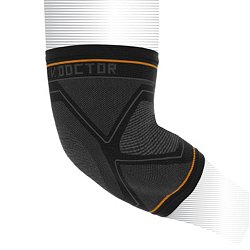
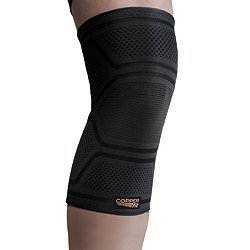
Explore effective solutions for tennis elbow relief with a range of supportive products designed to alleviate discomfort and enhance recovery. These items feature targeted compression, breathable materials, and adjustable designs to provide comfort during activity or rest. Options include sleeves, straps, and wraps that may help reduce strain and support the elbow joint. Whether you're looking for support during sports or recovery after workouts, these products can assist in managing pain and promoting mobility.
Tennis elbow, or lateral epicondylitis, is often caused by repetitive motions of the arm and wrist, leading to strain on the elbow tendons. Activities such as playing racquet sports, painting, or using hand tools can contribute to this condition. It can also occur due to overuse or improper technique during physical activities.
Symptoms of tennis elbow typically include pain and tenderness on the outer part of the elbow, which may radiate down the forearm. Individuals may experience discomfort when gripping or lifting objects, and there may be stiffness in the elbow joint. Pain can worsen with repetitive movements or prolonged use of the arm.
Relieving tennis elbow pain often involves a combination of rest, ice therapy, and compression. Using supportive braces or sleeves can help stabilize the elbow and reduce strain on the tendons. Additionally, gentle stretching and strengthening exercises may aid in recovery and prevent future injuries.
There are various types of supports designed for tennis elbow, including compression sleeves, braces, and straps. These supports provide targeted compression to alleviate pain and stabilize the elbow joint. Some options may feature additional padding or gel inserts for enhanced comfort and support.
Compression therapy helps with tennis elbow by providing consistent pressure on the affected area, which can reduce swelling and improve blood circulation. This increased blood flow may promote healing and alleviate pain. Compression supports can also help stabilize the elbow during movement, reducing the risk of further injury.
Yes, specific exercises can be beneficial for tennis elbow recovery. These may include gentle stretching and strengthening exercises targeting the forearm muscles. Resistance training with tools like flex bars can help rebuild strength and flexibility in the elbow, aiding in recovery and preventing re-injury.
You should seek medical attention for tennis elbow if the pain persists despite rest and self-care measures, or if you experience severe pain, swelling, or loss of function in the elbow. A healthcare professional can provide a proper diagnosis and recommend appropriate treatment options, which may include physical therapy or other interventions.
Yes, tennis elbow can significantly impact daily activities, especially those that require repetitive arm and wrist movements. Tasks such as lifting, gripping, or even typing may become painful and challenging. Addressing the condition early with appropriate treatment and support can help minimize its effects on your daily life.
Continue browsing