â
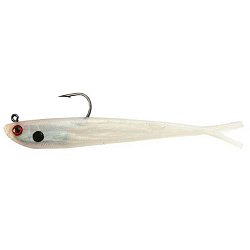
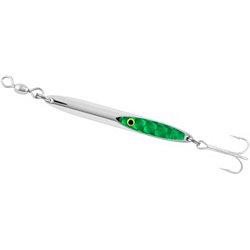
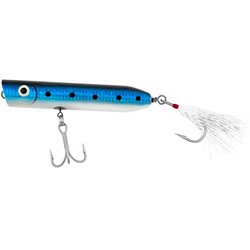
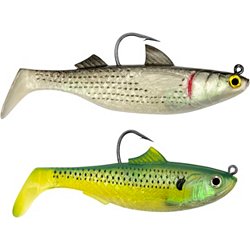
Our Trout Plugs sold out quickly! Explore similar styles now!
Trout plugs are a type of fishing lure designed to mimic the movement of baitfish in the water. They are typically made from durable materials that allow them to dive and swim at various depths, attracting trout and other freshwater fish. The action and color of the plugs can be adjusted to match the specific conditions of the fishing environment.
Trout plugs are often constructed from materials such as plastic, wood, or metal, each offering different benefits. Plastic plugs tend to be lightweight and buoyant, while wooden plugs can provide a more natural look and sound in the water. Metal components may be used for added durability and to enhance the lure's action.
When selecting a trout plug, consider factors such as the size and color of the lure, the water conditions, and the type of trout you are targeting. The depth at which you plan to fish is also important, as different plugs are designed to dive to various depths. Additionally, the time of year and local baitfish patterns can influence your choice.
Yes, there are several styles of trout plugs designed for different fishing techniques, such as trolling, casting, or still fishing. Some plugs are designed to create a wobbling action, while others may have a more erratic movement. Understanding the specific technique you plan to use can help you select the most effective style of plug.
The best time to use trout plugs often depends on factors like water temperature, weather conditions, and the time of year. Early morning and late evening are typically prime times for trout fishing, as fish are more active during these periods. Additionally, during spawning seasons or when baitfish are abundant, trout plugs can be particularly effective.
Maintaining trout plugs involves regular inspections for wear and tear, especially after use in rocky or abrasive environments. It's important to check for any damage to the hooks, paint, or body of the plug. Cleaning the plugs after use can help preserve their finish and functionality, ensuring they remain effective for future fishing trips.
Continue browsing