â
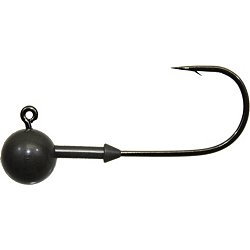
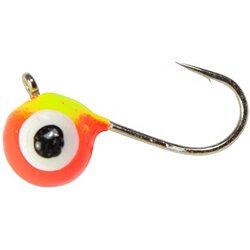
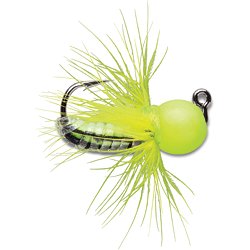
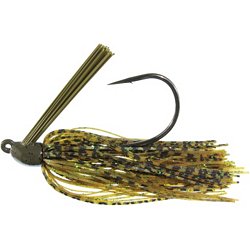
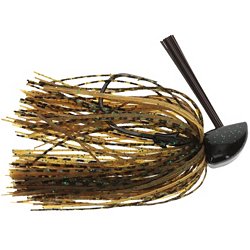
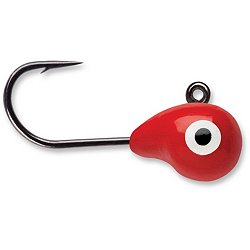
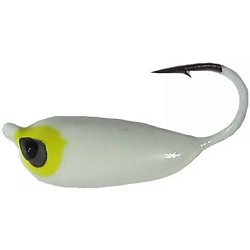
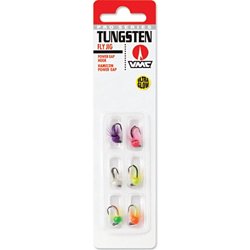
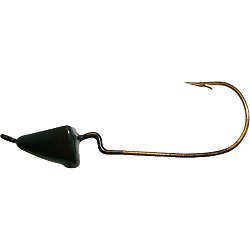
Discover the versatility and performance of tungsten jig heads, designed to enhance your fishing experience. These compact and dense jig heads provide superior sensitivity and faster sinking, making them ideal for various fishing conditions. With a streamlined design, they minimize snagging while maximizing your chances of landing the big catch. Available in multiple sizes and styles, tungsten jig heads are perfect for both freshwater and saltwater fishing. Upgrade your tackle box with these essential tools for a successful day on the water.
Tungsten jig heads are denser than lead, allowing for a smaller size while maintaining the same weight. This compact design enables better sensitivity and a more natural presentation in the water. Additionally, tungsten is less toxic than lead, making it a more environmentally friendly choice for anglers.
Tungsten jig heads are particularly effective in situations where precision and sensitivity are crucial, such as deep water fishing or when targeting finicky fish. They excel in various techniques, including flipping, swimming, and vertical jigging, making them versatile for both freshwater and saltwater applications.
Choosing the right weight for a tungsten jig head depends on factors such as water depth, current strength, and the type of lure being used. Lighter weights are ideal for shallow waters or slow presentations, while heavier weights are better for deeper areas or when fishing in strong currents. It's essential to match the weight to the fishing conditions for optimal performance.
Tungsten jig heads can enhance various fishing techniques, including jigging, flipping, and swimming. Their compact size and weight allow for precise casting and better control, making them suitable for targeting specific structures or depths. Anglers often use them with soft plastics or other lures to create an enticing presentation.
Tungsten jig heads are generally more durable than lead or other materials due to their density and strength. They can withstand rough conditions and resist chipping or breaking, which is particularly advantageous when fishing in rocky or snag-prone areas. This durability ensures that they maintain their performance over time.
Continue browsing



 (9)
(9)