â
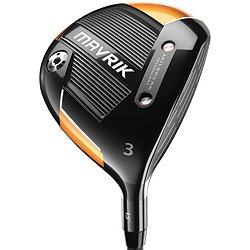
Explore our premium selection of utility wood clubs, designed to enhance your game with versatility and precision. Perfect for various playing conditions, these clubs offer a blend of distance and accuracy, making them essential for any golfer. Crafted with advanced technology, they provide optimal performance and a comfortable grip, ensuring you can tackle any shot with confidence. Whether you're navigating the fairway or approaching the green, our utility woods are engineered to elevate your performance on the course. Upgrade your golf bag with these reliable and stylish options today!
A utility wood is a type of golf club designed to provide versatility and ease of use for various shots on the course. It typically features a larger clubhead and a longer shaft compared to traditional irons, allowing for better distance and higher launch angles. Unlike other types of clubs, such as drivers or putters, utility woods are often used for both tee shots and approach shots, making them a valuable addition to a golfer's bag for tackling different course conditions. They are particularly useful for players looking for a blend of distance and accuracy.
Utility woods offer versatility and can be used in various situations on the golf course, making them a valuable addition to a golfer's bag. They typically feature a larger clubhead and a longer shaft, which can help achieve greater distance and higher launch angles compared to traditional irons. Many golfers appreciate their ability to provide a forgiving strike, making it easier to hit the ball cleanly from different lies, including the fairway and rough. Additionally, utility woods can be effective for both tee shots and approach shots, enhancing overall playability.
Choosing the right utility wood involves considering your playing style, skill level, and the specific conditions you typically encounter on the course. Look for a utility wood that complements your swing speed and provides the desired distance and accuracy. Additionally, consider the loft and shaft options, as these can affect trajectory and control. Testing different models can help you find the one that feels most comfortable and effective for your game.
When selecting a utility wood for distance and accuracy, consider the loft angle, which affects trajectory and distance. The shaft length and flex can influence your swing speed and control, impacting both distance and accuracy. Additionally, the clubhead design, including weight distribution and face technology, can enhance performance by providing better stability and forgiveness on off-center hits. Lastly, your personal playing style and skill level should guide your choice to ensure the club complements your game.
Utility woods can be suitable for both beginners and advanced players, depending on the individual's skill level and playing style. They are designed to provide versatility on the course, offering a combination of distance and accuracy that can benefit golfers at various stages of their game. Beginners may find utility woods helpful for achieving longer shots with a higher launch, while advanced players can use them for specific situations, such as navigating tight fairways or reaching par fives in fewer strokes. Ultimately, the choice of using a utility wood should align with the player's comfort and confidence on the course.
Utility woods are typically constructed using a combination of materials designed to enhance performance and durability. The clubhead is often made from stainless steel or titanium, which provides strength and a solid feel at impact. The shaft is usually crafted from graphite or steel, offering different flex options to suit various swing styles. Additionally, the grip is commonly made from rubber or synthetic materials for improved comfort and control during play.
The loft of a utility wood plays a crucial role in determining the trajectory and distance of your shots. A higher loft typically results in a higher launch angle, making it easier to get the ball airborne and providing more control on approach shots. Conversely, a lower loft can produce a flatter trajectory, which may be beneficial for longer distances or when hitting from tight lies. Understanding the loft can help players select the right utility wood to match their swing style and course conditions.
Utility woods are versatile clubs that can be used in a variety of weather conditions. They are designed to perform well in both dry and wet environments, making them suitable for different course conditions. The construction and materials used in utility woods help maintain performance, whether on a sunny day or during light rain. However, players may need to adjust their technique based on the specific conditions they encounter.
Utility woods typically range in length from about 40 to 43 inches, depending on the design and intended use. The weight of these clubs can vary, but they generally fall between 200 to 250 grams. This combination of length and weight is designed to provide versatility and ease of use for various golfing situations. Many players appreciate the balance these clubs offer for both distance and control.
To determine the right grip size for your utility wood, start by measuring the length of your fingers. Hold a ruler or measuring tape against your palm, extending it to the tip of your longest finger. If your fingers are shorter, you may prefer a smaller grip, while longer fingers might require a larger grip. Additionally, consider how the grip feels in your hands during practice swings, as comfort and control are key to improving your performance.
Continue browsing