â
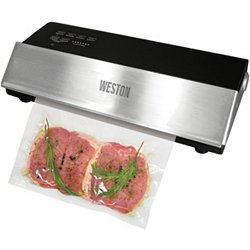
Discover the ultimate solution for food preservation with our vacuum sealers. Designed to extend the freshness of your meals, these appliances remove air and seal in flavor, keeping your food safe from spoilage. Ideal for meal prep, sous vide cooking, and bulk storage, our vacuum sealers offer user-friendly features and durable construction. With various sizes and styles available, you can find the perfect fit for your kitchen needs. Enjoy the benefits of longer-lasting food and reduced waste with our efficient vacuum sealing solutions.
Vacuum sealers are designed to extend the shelf life of food by removing air from packaging, which helps prevent freezer burn and spoilage. They also help maintain the freshness and flavor of food, making them ideal for meal prep and storage. Additionally, vacuum sealing can save space in your freezer or pantry by allowing for more efficient storage.
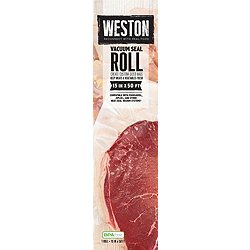
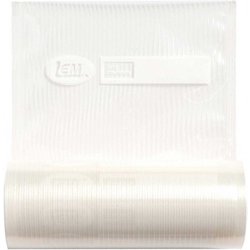
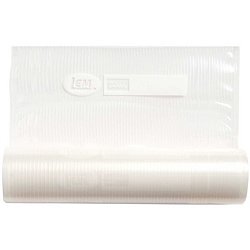
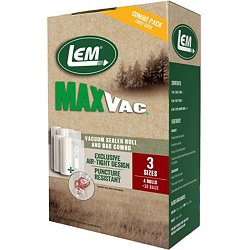
Vacuum sealers are compatible with a variety of materials, including plastic bags, rolls, and containers specifically designed for vacuum sealing. It's important to choose materials that are durable and can withstand the vacuum sealing process without tearing or leaking. Some vacuum sealers also work with specialized bags that are designed for sous vide cooking.
Yes, vacuum sealers can be used for non-food items as well, such as clothing, important documents, and electronics. By removing air and sealing these items, you can protect them from moisture, dust, and damage. This makes vacuum sealers a versatile tool for both food storage and organizing various household items.
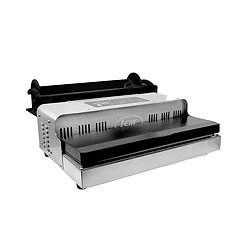
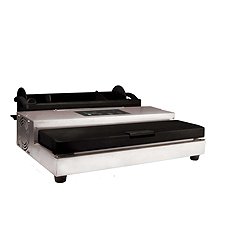
When selecting a vacuum sealer, consider factors such as the type of sealing method (external or chamber), the frequency of use, and the volume of food you plan to seal. Additionally, look for features like adjustable sealing times, built-in cutters, and compatibility with various bag sizes. Assessing your specific needs will help you find a vacuum sealer that best fits your lifestyle.
Vacuum sealers are generally energy-efficient appliances, especially when compared to other food preservation methods. They typically use less energy than traditional freezers or refrigerators by allowing you to store food in smaller, more organized portions. However, energy consumption can vary based on the model and how frequently it is used.
Continue browsing