â
Explore our range of water temperature sensors designed for precision and reliability. These sensors provide accurate readings to help you monitor and maintain optimal water temperatures in various applications. Built with durable materials, they ensure long-lasting performance in both residential and commercial settings. Easy to install and compatible with various systems, our water temperature sensors are essential for effective temperature management. Enhance your monitoring capabilities and ensure safety and efficiency with our high-quality selection.
A water temperature sensor is a device designed to measure the temperature of water in various environments, such as aquariums, ponds, or outdoor bodies of water. It typically uses thermocouples or thermistors to provide accurate temperature readings, which can be crucial for maintaining optimal conditions for aquatic life or for other applications. These sensors often feature digital displays or can connect to monitoring systems for real-time data.
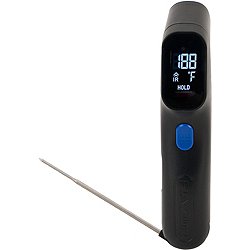
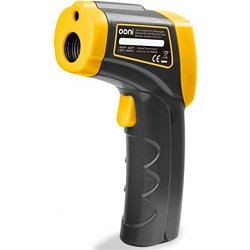
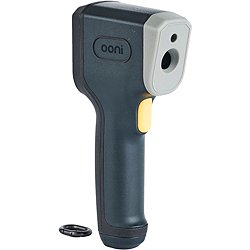
Water temperature sensors come in various types, including digital, analog, and infrared sensors. Digital sensors provide precise readings and often include features like data logging and alerts, while analog sensors may use traditional dial displays. Infrared sensors can measure temperature without direct contact, making them suitable for specific applications where immersion is not possible.
Choosing the right water temperature sensor depends on several factors, including the environment where it will be used, the required accuracy, and whether you need additional features like data logging. Consider the temperature range you need to monitor and whether you prefer a sensor that is easy to read or one that integrates with other monitoring systems. Additionally, think about the durability and waterproof rating of the sensor for your specific application.
Yes, many water temperature sensors are designed to be versatile and can be used in both freshwater and saltwater environments. However, it is important to check the specifications of the sensor to ensure it is suitable for the specific conditions you plan to use it in, as saltwater can be more corrosive and may require sensors made from specific materials for durability.
When selecting a water temperature sensor, consider features such as accuracy, response time, and ease of use. Additional features like wireless connectivity, data logging capabilities, and alarms for temperature fluctuations can enhance functionality. Also, look for sensors that are designed for the specific conditions you will be monitoring, such as those that are waterproof or resistant to corrosion.
Continue browsing