â
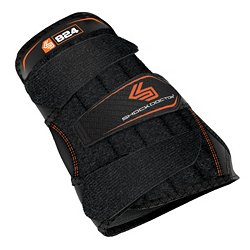
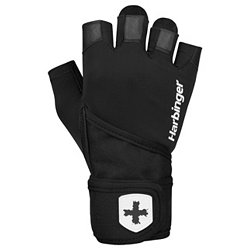
Explore our selection of wrist stabilizers designed to offer support and comfort during various activities. These stabilizers feature adjustable designs, breathable materials, and varying levels of compression to cater to individual needs. Suitable for sports, workouts, or daily wear, they may help alleviate discomfort while allowing for a full range of motion. With options that include wraps, sleeves, and guards, you can find the right fit to support your performance and protect your wrists.
A wrist stabilizer is a supportive device designed to provide stability and protection to the wrist during various activities. It typically features adjustable components that allow for a customized fit, helping to support the wrist joint and reduce the risk of injury. By limiting excessive movement and providing compression, wrist stabilizers can aid in the recovery from sprains and strains.
Wrist stabilizers are beneficial for a wide range of activities, including weightlifting, sports, and everyday tasks that require wrist movement. They are particularly useful during exercises that place stress on the wrist, such as bench presses, deadlifts, and various athletic movements. Additionally, they can provide support during rehabilitation or recovery from wrist injuries.
Yes, wrist stabilizers are available in various sizes to accommodate different wrist circumferences. Many models come with adjustable features that allow users to achieve a secure and comfortable fit. It's important to measure your wrist properly to select the right size for optimal support and effectiveness.
Wrist stabilizers are typically made from a combination of breathable fabrics, elastic materials, and sometimes neoprene for added support and comfort. These materials are designed to provide flexibility while ensuring adequate support and compression. The choice of materials can also affect the overall durability and moisture-wicking properties of the stabilizer.
Yes, wrist stabilizers can be effective in preventing injuries, especially during high-impact activities or sports that involve repetitive wrist motion. By providing support and limiting excessive movement, they can help reduce the risk of sprains and strains. However, they should be used as part of a comprehensive approach to injury prevention that includes proper technique and conditioning.
When choosing a wrist stabilizer, consider the level of support you need based on your activity level and any existing injuries. Look for features such as adjustable straps for a secure fit, breathable materials for comfort, and the appropriate size for your wrist. It's also helpful to consider the specific activities you will be engaging in to ensure the stabilizer meets those demands.
Most wrist stabilizers are designed with comfort in mind, featuring breathable materials and ergonomic designs that allow for a full range of motion. Many models include adjustable components that help achieve a snug fit without restricting movement. It's important to try on different options to find one that feels comfortable and provides the support you need during your workouts.
Wrist stabilizers and wrist wraps serve different purposes. Wrist stabilizers typically provide more rigid support and are designed to limit movement, making them ideal for injury recovery and prevention. In contrast, wrist wraps offer compression and support but allow for greater flexibility, making them suitable for weightlifting and other activities where some wrist mobility is desired.
Continue browsing