â
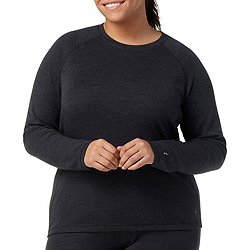
Gear up for the slopes with our premium selection of shirts for skiing. Designed for warmth and comfort, these shirts feature moisture-wicking fabrics and thermal insulation to keep you cozy during your winter adventures. With options ranging from lightweight base layers to fleece tops, you can easily layer up for optimal performance. Enjoy a full range of motion and breathability, ensuring you stay comfortable whether you're carving down the mountain or enjoying après-ski activities. Elevate your ski wardrobe with functional and stylish options perfect for any snow enthusiast.


$92.00
Warmth and comfort all day. ... Wouldn ’ t think of leaving without out this
5
Snowhound1701
[ If you ’ re even thinking of going up to the mountains to ski or snowboard for a few days you better have all the layers for any conditions. Unless you want to freeze or be sipping hot cocoa in the lodge while your crew are a ripping it up. There is no equal when it comes to this base layer. Warmth and comfort all day. This is the Cadillac. Wouldn ’ t think of leaving without out this top.


$130.00-$150.00
Functional and stylish ... [ This is a quality built base layer and I 've worn it by itself or under a light jacket for plenty of warmth. ... It ’s form fitting and the multi panels really make it articulate with my
5
MoosejawDon
[ Feels light on the skin and is plenty warm. I would like a little more move/breath ability in the pits however I do not feel sweaty. Perfect base or mid layer
5
Timoby2k
[ This has become my new favorite baselayer. It ’s form fitting and the multi panels really make it articulate with my movements. I wear it as my only layer in damp mid thirty degree runs. Also looks good to wear on its own out and about.
4
Rory
[ This is a quality built base layer and I 've worn it by itself or under a light jacket for plenty of warmth. Be advised to go one size up, especially if you have an athletic muscular build. Fits close to skin, athletic cut for sure. Looks awesome.
When selecting shirts for skiing, consider materials that offer moisture-wicking properties to keep you dry and comfortable. Look for options with thermal insulation to provide warmth without adding bulk. Additionally, features like zippered necklines can enhance ventilation, while stretchy fabrics allow for ease of movement during activities. It's also beneficial to choose shirts with flat seams to reduce chafing and enhance comfort while wearing layers.
To choose the right size for skiing shirts, start by measuring your chest, waist, and hips to find your measurements. Refer to the sizing chart provided by the manufacturer, as sizes can vary between brands. Consider the fit you prefer; some may opt for a snug base layer for warmth, while others might prefer a looser fit for comfort. Additionally, think about the layering system you will use, as this may influence the size you select to ensure adequate mobility and insulation.
Shirts designed for skiing are typically made from materials that provide warmth, moisture-wicking properties, and breathability. Common fabrics include synthetic blends, merino wool, and fleece, which help regulate body temperature and keep you dry during physical activity. Look for options that offer insulation without bulk, allowing for ease of movement while layering under ski jackets. Additionally, features like flat seams and stretchable fabrics enhance comfort and performance on the slopes.
When selecting shirts for skiing, it's important to consider styles that offer warmth, moisture-wicking properties, and comfort. Base layers are typically designed to fit snugly against the skin, helping to regulate body temperature and manage sweat. Mid-layers, such as fleece or thermal tops, provide additional insulation while allowing for ease of movement. Look for materials that are breathable and quick-drying to enhance your overall skiing experience.
Skiing shirts are specifically designed to provide warmth, moisture-wicking properties, and insulation, making them suitable for cold weather and active movement on the slopes. Unlike regular shirts, they often feature materials that help regulate body temperature and manage sweat, ensuring comfort during physical activity. Additionally, skiing shirts may have a snug fit to facilitate layering under outerwear and often include features like zippered necklines for ventilation. These functional elements make them more effective for skiing and other winter sports compared to standard casual shirts.
Moisture-wicking is crucial in skiing shirts as it helps to keep the skin dry by drawing sweat away from the body. This feature enhances comfort during physical activity, preventing the chill that can occur when moisture is trapped against the skin. Additionally, moisture-wicking fabrics can help regulate body temperature, allowing skiers to maintain optimal warmth and performance on the slopes. Overall, this technology contributes to a more enjoyable skiing experience by minimizing discomfort caused by dampness.
Yes, skiing shirts are versatile and can be worn for various winter activities. Many of these shirts are designed with moisture-wicking and thermal properties, making them suitable for activities like snowboarding, hiking, or even casual outings in cold weather. Their comfortable fit and layering capabilities allow for easy movement and warmth, which is beneficial for any outdoor winter adventure.
When selecting shirts for skiing, consider the level of insulation based on the climate and your activity level. Lightweight base layers are ideal for warmer conditions or high-intensity activities, while mid-weight options provide more warmth for colder days or less active pursuits. Look for materials that offer moisture-wicking properties to keep you dry and comfortable, as well as options that provide additional insulation without adding bulk. Many shirts are designed to be layered, allowing you to adjust your insulation as needed throughout the day.
To layer shirts for optimal warmth while skiing, start with a moisture-wicking base layer that fits snugly against your skin. This layer helps to manage sweat and keep you dry. Next, add an insulating mid-layer, such as a fleece or thermal shirt, to trap heat while allowing for breathability. Finally, consider a lightweight, wind-resistant outer layer to protect against the elements, ensuring that you stay warm and comfortable throughout your skiing experience.
Base layers are designed specifically for skiing and other outdoor activities, offering moisture-wicking properties that help keep you dry and comfortable. Unlike regular shirts, they provide insulation while allowing for better breathability, which is essential in varying temperatures. Additionally, base layers often feature a snug fit that helps trap warmth without adding bulk, making them ideal for layering under ski jackets. This combination of moisture management and thermal regulation enhances overall performance on the slopes.
Continue browsing