â
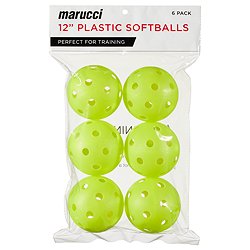
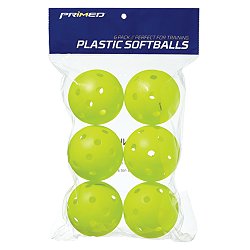
Enhance your practice sessions with our 12" plastic training softballs, designed for durability and performance. Perfect for players of all skill levels, these softballs provide a safe and effective way to improve your hitting and fielding techniques. Lightweight and uncrushable, they are ideal for both indoor and outdoor training environments. With multiple packs available, you can easily stock up for team practices or personal training. Elevate your game and build confidence with these reliable training tools that mimic the feel of traditional softballs.
Plastic training softballs offer several advantages for practice and skill development. They are lightweight, making them easier to throw and catch, which can help players focus on technique without the fear of injury. Additionally, their durability allows for extended use in various weather conditions, and they are less likely to cause damage to surroundings or equipment. These features make plastic training softballs a practical choice for both beginners and experienced players looking to refine their skills.
Yes, 12" plastic training softballs are suitable for all skill levels. They are designed to be lightweight and durable, making them ideal for practice sessions for beginners and experienced players alike. These softballs can help improve hand-eye coordination and batting skills without the risk of injury associated with traditional hard balls. Many players use them for drills, practice games, or skill development.
Plastic training softballs are versatile tools for various drills aimed at improving skills in hitting, fielding, and throwing. Coaches and players can use them for batting practice to enhance swing mechanics without the risk of injury from traditional softballs. Additionally, these softballs can be utilized in fielding drills to develop hand-eye coordination and reaction times, as well as in throwing exercises to practice accuracy and distance. Their lightweight design makes them suitable for players of all ages and skill levels.
The materials used in plastic training softballs play a crucial role in their performance. Typically made from durable plastic, these softballs are designed to withstand repeated use while maintaining their shape and integrity. The lightweight nature of the materials allows for easier handling and improved throwing accuracy, making them ideal for practice sessions. Additionally, the construction often mimics the feel of traditional softballs, helping players develop their skills effectively.
The typical lifespan of a plastic training softball can vary based on usage and environmental conditions. Generally, these softballs are designed for extended use during practice sessions, but factors such as frequency of use, surface impact, and exposure to sunlight can affect their durability. Many users find that with proper care, these training softballs can last for several weeks to months before showing signs of wear. Regular inspection for cracks or deformation is recommended to ensure optimal performance during training.
Yes, plastic training softballs are suitable for outdoor practice. They are designed to withstand various weather conditions while providing a safe option for training sessions. Their lightweight construction allows for easy handling and helps players develop their skills without the risk of injury associated with traditional softballs. Many players use them for drills, batting practice, and skill development in open spaces.
When selecting a quality plastic training softball, consider the material's durability and resistance to wear, as this ensures the ball can withstand repeated use. Look for a design that mimics the weight and feel of a traditional softball, which can help players develop their skills effectively. Additionally, features such as a bright color can enhance visibility during practice sessions, making it easier for players to track the ball. Finally, consider the size and shape to ensure it meets training needs and preferences.
When choosing the right size of training softball, consider the age and skill level of the players. A 12-inch softball is commonly used for adult and older youth leagues, making it suitable for more advanced training. Additionally, think about the specific drills or practice sessions you plan to conduct, as different sizes may be more appropriate for various training exercises. Always ensure that the selected size aligns with the regulations of the league or organization you are involved with.
When using plastic training softballs, it is important to consider the environment in which they are used. Ensure that the playing area is free of obstacles and that participants are aware of their surroundings to prevent accidents. Additionally, while these softballs are designed to be safer than traditional options, it is still advisable to use appropriate protective gear, especially for younger players. Always supervise training sessions to maintain a safe and controlled environment.
Different styles of plastic training softballs vary primarily in their construction and intended use. Some are designed to be more durable and withstand heavy use, while others may focus on a softer feel for safer practice sessions. Additionally, variations in weight and size can affect how they perform during training drills. Choosing the right style depends on the specific training goals and the age or skill level of the players involved.
Continue browsing