â
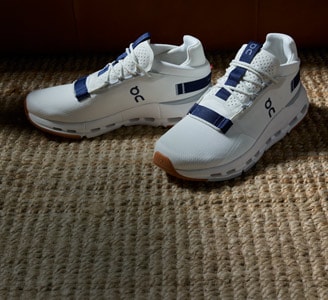
Discover the ultimate performance with our collection of solution tennis shoes designed for serious players. Engineered for superior comfort and support, these shoes feature advanced cushioning and stability technologies to enhance your game. The lightweight construction ensures agility on the court, while durable outsoles provide excellent traction for quick movements. With a variety of styles and fits, you can find the perfect pair to elevate your performance and keep you at the top of your game. Step up your tennis experience with footwear that combines functionality and style.
When selecting tennis shoes, consider features such as cushioning, stability, and traction. Good cushioning helps absorb impact during play, while stability ensures your feet are supported during quick lateral movements. Additionally, a durable outsole with excellent grip is essential for maintaining traction on the court.
Tennis shoes are typically made from a combination of synthetic materials, mesh, and rubber. The synthetic materials provide durability and support, while mesh allows for breathability, keeping your feet cool during intense matches. Rubber outsoles are designed for optimal grip and traction on various court surfaces.
Choosing the right size for tennis shoes is crucial for comfort and performance. It's recommended to measure your feet and refer to the sizing chart provided by the manufacturer. Additionally, trying on shoes with the type of socks you plan to wear can help ensure a proper fit, allowing for some wiggle room for your toes.
While both tennis and pickleball shoes are designed for court sports, they may differ in terms of support and traction. Tennis shoes often provide more lateral support for quick side-to-side movements, while pickleball shoes may emphasize lightweight design and agility. It's important to choose shoes that match the specific demands of the sport you are playing.
Yes, tennis shoes are designed for different court surfaces, including hard courts, clay, and grass. Hard court shoes typically have a durable rubber outsole for longevity, while clay court shoes feature a herringbone pattern for better grip on softer surfaces. Grass court shoes often have a nubbed outsole to prevent slipping on the grass.
Tennis shoes should be replaced when you notice significant wear on the outsole or if you feel a decrease in support and cushioning. Generally, players may need to replace their shoes every 6 to 12 months, depending on their frequency of play and the intensity of their games. Regularly checking for signs of wear can help maintain optimal performance and comfort.
Continue browsing


 (2)
(2) 


