â
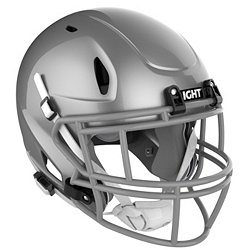
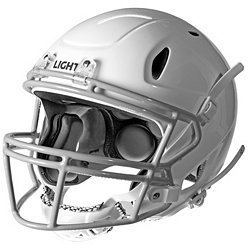
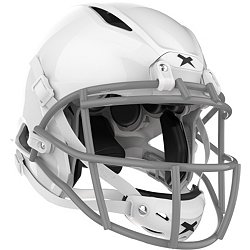
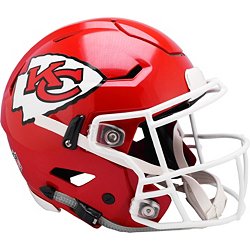
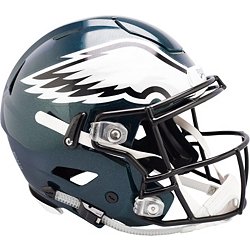
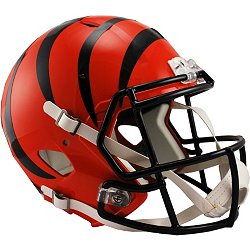
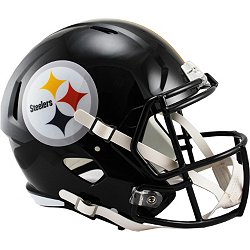
Explore a selection of football helmets designed to provide safety and comfort on the field. These helmets feature advanced impact absorption technologies, lightweight materials, and customizable fit systems to accommodate various head sizes. Many options include durable facemasks and comfortable padding, allowing players to focus on their performance. Whether for youth or adult players, these helmets aim to enhance protection while allowing for movement during gameplay. Choose from a variety of styles to find a fit that meets your needs.
When selecting a football helmet, consider features such as impact absorption technology, comfort liners, and adjustable fit systems. Helmets with advanced padding materials can help reduce the force of impacts, while a comfortable fit ensures that the helmet stays securely in place during play. Additionally, look for designs that offer enhanced visibility and protection for specific positions.
To find the right size for a football helmet, measure the circumference of the player's head about an inch above the eyebrows. Use this measurement to refer to the sizing chart provided by the manufacturer. It's important to try on the helmet to ensure a snug fit, where the helmet feels secure without being too tight.
Football helmets are typically made from a combination of high-strength polycarbonate shells and advanced padding materials designed for impact absorption. Some helmets utilize composite materials that are lightweight yet durable, while padding may include foams engineered to absorb and dissipate impact forces effectively.
Yes, there are different types of football helmets designed for specific positions on the field. Quarterbacks, for instance, may benefit from helmets that provide enhanced visibility and protection against common impacts they experience. Other positions may require helmets that prioritize overall impact protection and comfort during play.
A proper fit is crucial for a football helmet as it directly impacts player safety and performance. A helmet that fits correctly will provide maximum protection by staying securely in place during impacts. Additionally, a well-fitted helmet can enhance comfort, allowing players to focus on their game without distractions.
Football helmets should be replaced regularly to ensure optimal safety and performance. Many manufacturers recommend replacing helmets every few years, especially if they have been involved in significant impacts or show signs of wear and tear. Regular inspections can help determine if a helmet needs to be replaced sooner.
When shopping for a football helmet, look for safety certifications such as NOCSAE (National Operating Committee on Standards for Athletic Equipment) standards. Helmets that have been tested and certified by independent laboratories, such as Virginia Tech, can provide additional assurance of their safety performance.
Youth football players should wear helmets specifically designed for their age group to ensure proper fit and safety. Adult helmets may not provide the appropriate level of protection for younger players due to size and design differences. It's essential to select a helmet that meets the safety standards for youth football.
Continue browsing


 (51)
(51)