â
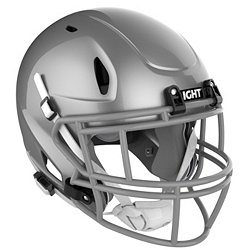
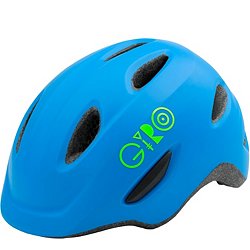
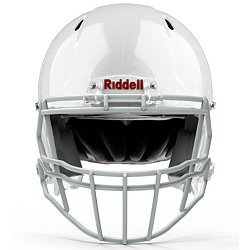
Protect your young athletes with our selection of youth sports helmets, designed for safety and performance. Each helmet features advanced impact-absorbing technology to ensure maximum protection during play. Lightweight and comfortable, these helmets provide a secure fit, allowing for optimal movement and focus on the game. With adjustable straps and ventilation systems, they keep young players cool and comfortable, no matter the intensity of the action. Equip your child with the confidence they need to excel in their favorite sports while prioritizing their safety.
When selecting a youth sports helmet, it's important to consider features such as impact resistance, comfort, and ventilation. Look for helmets that offer advanced padding systems to enhance safety and fit. Additionally, adjustable straps and lightweight designs can improve comfort and ensure a secure fit during play.
Youth sports helmets are specifically designed to accommodate the unique head shapes and sizes of younger athletes. They often have different padding configurations to provide better protection for developing skulls. Additionally, youth helmets typically weigh less and feature designs that cater to the needs of younger players, ensuring both safety and comfort.
Youth sports helmets are typically made from high-impact polycarbonate shells for durability and protection. The interior often features foam padding made from materials like EPS (expanded polystyrene) or other cushioning technologies to absorb impacts. These materials are chosen to balance safety, weight, and comfort for young athletes.
Yes, youth sports helmets should meet safety standards set by organizations such as the National Operating Committee on Standards for Athletic Equipment (NOCSAE). It's essential to check for these certifications to ensure the helmet has been tested for safety and performance. Helmets that meet these standards provide an added layer of reassurance for parents and coaches.
To ensure a proper fit for a youth sports helmet, measure the circumference of the child's head and refer to the manufacturer's sizing chart. The helmet should sit level on the head, with the front edge about an inch above the eyebrows. Additionally, it should feel snug but not overly tight, and the chin strap should secure the helmet without causing discomfort.
Continue browsing


 (14)
(14)