â
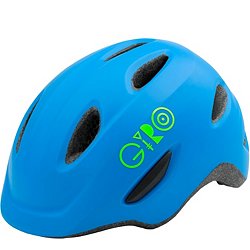
Explore a selection of bike helmets for kids, designed to offer safety and comfort during rides. These helmets feature adjustable fit systems to accommodate growing heads, providing a snug and secure fit. With lightweight constructions and ample ventilation, they help keep young riders cool and comfortable. Available in fun designs and vibrant colors, these helmets encourage kids to wear them while biking or skating. Each helmet complies with safety standards, making them a choice for parents seeking protection for their children.
When selecting a bike helmet for kids, prioritize safety features such as compliance with safety standards and a sturdy outer shell. Look for adjustable fit systems that can accommodate a growing child's head size, as well as ample ventilation to keep them comfortable during rides. Additionally, consider lightweight designs that won't weigh them down and fun graphics that encourage your child to wear the helmet.
To find the correct size for your child's bike helmet, measure their head circumference just above the ears and eyebrows. Most helmets come with size charts that indicate the appropriate size range based on head measurements. It's important to try the helmet on and adjust the fit system to ensure it sits snugly without being too tight.
Yes, bike helmets are often designed with specific age groups in mind, taking into account head size and safety needs. Helmets for toddlers typically have a lower profile and additional features for comfort, while those for older children may offer more advanced safety technologies. Always check the manufacturer's recommendations for age suitability.
Kids' bike helmets are typically made from a combination of materials to ensure safety and comfort. The outer shell is often constructed from durable plastics like ABS or polycarbonate, while the inner foam lining is usually made from expanded polystyrene (EPS) for impact absorption. Some helmets also incorporate additional features like ventilation channels for airflow.
Ventilation is crucial in a kids' bike helmet as it helps keep the child's head cool during rides, especially in warm weather. Helmets with multiple vents allow for better airflow, reducing the risk of overheating. Look for helmets that balance ventilation with safety to provide a comfortable riding experience.
A kids' bike helmet should meet or exceed safety standards set by organizations such as the U.S. Consumer Product Safety Commission (CPSC). These standards ensure that the helmet has been tested for impact protection and durability. Always check for certification labels on the helmet to confirm its compliance with safety regulations.
Many kids' helmets are designed for multi-sport use, allowing them to be worn for both biking and skating. However, it's important to check the helmet's certification to ensure it meets the safety standards for both activities. Look for helmets that specify their suitability for biking and skating to provide the best protection.
Design features that can make a helmet more appealing to kids include vibrant colors, fun graphics, and unique shapes that reflect their interests. Helmets with built-in visors or playful 3D elements can also enhance the visual appeal. Encouraging kids to choose their helmet can increase the likelihood that they will wear it consistently.
Continue browsing


 (12)
(12)