â
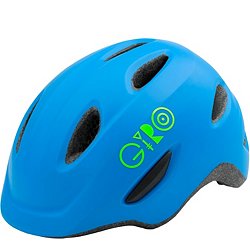
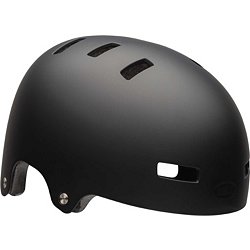
Discover the most comfortable bicycle helmets designed for optimal safety and performance. Our collection features lightweight designs with advanced ventilation systems, ensuring a cool and comfortable ride. Each helmet is crafted with adjustable fit systems for personalized comfort, making them suitable for all head shapes and sizes. With added safety features like MIPS technology, you can ride with confidence knowing you're protected. Explore our range of stylish and functional helmets that prioritize comfort without compromising on safety, perfect for every cycling enthusiast.
When searching for a comfortable bicycle helmet, consider features such as proper fit, adjustable straps, and ventilation. A well-fitting helmet should sit snugly on your head without causing pressure points. Look for models with ample airflow to keep you cool during rides, as well as padding that enhances comfort. Additionally, lightweight materials can contribute to a more enjoyable riding experience.
To determine the right size for a bicycle helmet, start by measuring the circumference of your head just above your eyebrows using a flexible measuring tape. Once you have the measurement, refer to the sizing chart provided by the helmet manufacturer, as sizes can vary between brands. It's important to try on the helmet to ensure a snug fit without being too tight, and make sure it sits level on your head, covering your forehead. Adjust the straps and any internal padding for comfort and security.
Comfortable bicycle helmets are typically made from a combination of lightweight materials designed to provide both protection and comfort. The outer shell is often constructed from polycarbonate or fiberglass, which offers durability and impact resistance. Inside, helmets usually feature an expanded polystyrene foam liner that absorbs shock during impacts, while additional padding made from moisture-wicking fabrics enhances comfort and fit. Many helmets also incorporate ventilation systems to improve airflow and keep the rider cool.
Yes, certain designs can enhance comfort in bicycle helmets. Features such as adjustable fit systems allow for a personalized fit, while ventilation channels promote airflow to keep the head cool during rides. Additionally, lightweight materials and padded liners contribute to overall comfort, making it easier to wear the helmet for extended periods. Many helmets also incorporate moisture-wicking fabrics to help manage sweat.
Ventilation plays a crucial role in the comfort of a bicycle helmet by promoting airflow and helping to regulate temperature during rides. A well-ventilated helmet allows heat and moisture to escape, reducing the likelihood of overheating, especially during long or intense rides. Additionally, effective ventilation can enhance overall comfort by minimizing sweat buildup, which can lead to irritation. Riders often find that a helmet with good ventilation contributes to a more enjoyable cycling experience.
Weight plays a significant role in the comfort of a bicycle helmet, as a lighter helmet can reduce strain on the neck and head during rides. Heavier helmets may cause discomfort, especially during long rides, leading to fatigue. A well-balanced helmet that distributes weight evenly can enhance overall comfort and allow for a more enjoyable cycling experience. Additionally, lightweight materials often contribute to better ventilation, further improving comfort during use.
Different styles of bicycle helmets can significantly influence comfort during rides by varying in fit, ventilation, and weight. Helmets designed for road cycling often feature a streamlined shape and enhanced airflow, which can help keep riders cool over long distances. In contrast, mountain biking helmets may offer additional coverage and padding for protection on rugged terrain, which can affect how they feel during use. Ultimately, the right style will depend on individual preferences and the type of cycling being done.
When searching for a comfortable bicycle helmet, it's important to consider safety certifications that ensure the helmet meets specific safety standards. Look for certifications such as CPSC (Consumer Product Safety Commission) for adult helmets and ASTM (American Society for Testing and Materials) for children's helmets. Additionally, some helmets may have certifications from organizations like Snell or EN1078, which indicate compliance with rigorous safety testing. These certifications help ensure that the helmet provides adequate protection while maintaining comfort for the wearer.
Yes, many bicycle helmets come with adjustable features that allow for a customized fit, enhancing comfort during rides. These adjustments can include a dial or strap system that tightens or loosens the helmet around the head. Additionally, some helmets have removable padding or liners that can be swapped out for a better fit. Ensuring a proper fit is essential for both comfort and stability while cycling.
To ensure a comfortable fit with a bicycle helmet, start by selecting the right size based on your head measurement. Adjust the straps so they form a V-shape under your ears and ensure the chin strap is snug but not overly tight. The helmet should sit level on your head, with the front edge just above your eyebrows, and should not move when you shake your head. Additionally, consider features like padding and ventilation, as these can enhance comfort during rides.
Continue browsing



 (19)