â
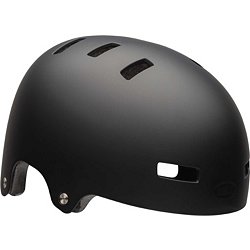
Discover the ultimate protection with our full coverage bike helmet collection, designed for safety and comfort on every ride. These helmets feature advanced impact-absorbing technology, ensuring maximum security without compromising on style. With adjustable fit systems and ventilation for breathability, you can enjoy long rides with confidence. Whether you're tackling rugged trails or cruising through the city, our full coverage helmets provide the support you need. Ride with peace of mind knowing you have the best in head protection for your cycling adventures.
 (9)
When selecting a full coverage bike helmet, consider features such as a snug fit and adjustable straps to ensure comfort and security during rides. Look for helmets with extended coverage around the back and sides of the head for added protection. Ventilation is also important, as it helps keep you cool while cycling. Additionally, consider helmets with integrated safety technologies that enhance impact protection.
A full coverage bike helmet offers more extensive protection by covering a larger portion of the head compared to other helmet types. This design typically includes additional coverage at the back and sides, which can enhance safety during rides. Full coverage helmets are often favored for their ability to provide better impact resistance and stability, making them suitable for various cycling activities, including mountain biking and commuting. They may also feature advanced ventilation systems to ensure comfort during longer rides.
Wearing a full coverage bike helmet offers enhanced protection for the head, particularly in areas that are more vulnerable during falls or collisions. These helmets typically feature a design that extends lower on the back of the head, providing additional coverage and support. They often include advanced materials and technologies that help absorb impact, making them a reliable choice for various cycling activities. Additionally, many full coverage helmets are designed for comfort and ventilation, ensuring a better riding experience.
Full coverage bike helmets are designed to provide enhanced protection and are suitable for a variety of cycling activities, including road cycling, mountain biking, and commuting. Their design typically offers more coverage around the back and sides of the head, which can be beneficial for riders who may encounter higher speeds or rough terrain. However, the specific suitability may depend on individual preferences and the type of cycling being pursued, as some riders may prefer lighter or more ventilated options for certain activities. It's important to consider the intended use and personal comfort when selecting a helmet.
Full coverage bike helmets are typically constructed using a combination of materials designed for durability and protection. The outer shell is often made from polycarbonate or fiberglass, which provides strength and impact resistance. Inside, helmets usually feature an expanded polystyrene foam liner that absorbs shock during an impact. Additionally, some models may incorporate advanced technologies like MIPS, which enhances safety by allowing the helmet to rotate slightly upon impact.
To determine the right size for a full coverage bike helmet, start by measuring the circumference of your head just above your eyebrows using a flexible measuring tape. Once you have your measurement, refer to the sizing chart provided by the helmet manufacturer, as sizes can vary between brands. It's important to try the helmet on to ensure a snug fit without being too tight, and make sure it sits level on your head, covering the forehead. Adjust the straps and any internal padding for added comfort and security.
When selecting a full coverage bike helmet, it's important to look for safety certifications that indicate the helmet meets specific safety standards. Common certifications include CPSC (Consumer Product Safety Commission) for the United States, EN 1078 for Europe, and AS/NZS 2063 for Australia and New Zealand. These certifications ensure that the helmet has undergone rigorous testing for impact protection and overall performance. Additionally, some helmets may feature MIPS technology, which is designed to reduce rotational forces during an impact.
Full coverage bike helmets are designed to provide a snug fit that helps reduce movement during rides, enhancing overall comfort. Their construction often includes padding and ventilation systems that promote airflow, keeping the rider cool and comfortable over extended periods. Additionally, the design typically offers a more secure feeling, which can help riders focus on their performance rather than adjusting their gear. Overall, these features contribute to a more enjoyable riding experience on long journeys.
The typical weight range for full coverage bike helmets varies, but most models generally weigh between 300 to 400 grams. This weight can depend on factors such as the materials used in construction and the design features included for added protection. Many riders appreciate a helmet that balances lightweight comfort with robust coverage for enhanced safety. When selecting a helmet, consider how the weight may affect your riding experience, especially during longer rides.
Many full coverage bike helmets are designed to accommodate additional accessories such as lights and visors. These features can enhance visibility and protection while riding. When selecting a helmet, it's important to check for compatibility with specific accessories, as some models may have built-in attachment points or slots for easy integration. Always ensure that any added accessories do not interfere with the helmet's fit or safety performance.
Continue browsing